Senate Passes Sweeping Permitting Overhaul, Sending Bill to House
November 25, 2026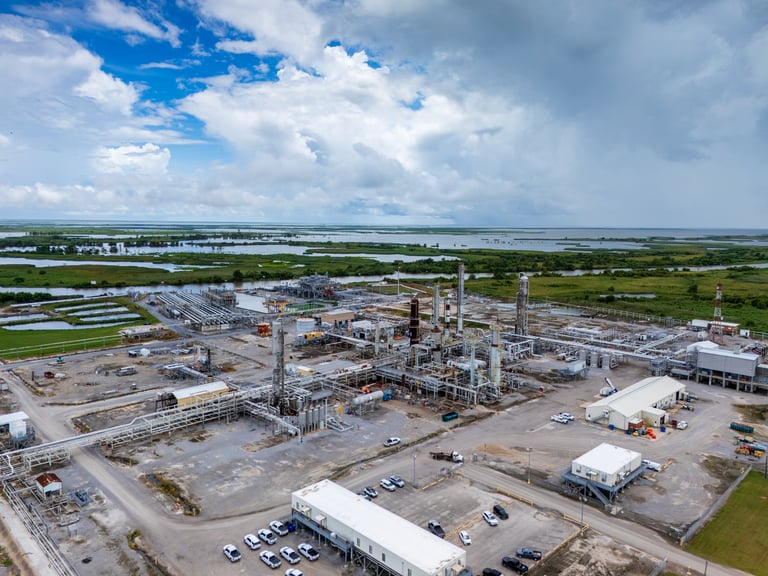


The Senate passed the Bipartisan American Affordability and Jobs Act (BAAJA) on Nov. 19, 2026, by 62-33, combining Republican support for fossil-fuel development with Democratic backing for renewable energy and transmission projects; it now faces an uncertain path in the House.
The nearly 500-page bill aims to speed federal approvals by setting deadlines for environmental reviews, streamlining transmission-line planning and construction, and making permits harder to revoke or challenge; it also allows possible federal approval of some interstate power lines when states refuse them.
A central dispute is the bill’s restriction of state authority under Section 401 of the Clean Water Act: states could still impose water-quality conditions, but would need clear and convincing evidence that each condition is necessary and the least burdensome option.
The measure would generally require large new data centers to pay for the grid upgrades they require, with the goal of avoiding those infrastructure costs being shifted to families and small businesses.
The four lead negotiators—Republicans Shelley Moore Capito and Mike Lee and Democrats Martin Heinrich and Sheldon Whitehouse—say the agreement is designed to make energy projects easier to build and reduce pressure from high utility bills.
Democratic co-sponsors Sheldon Whitehouse and Martin Heinrich support the bill; Heinrich argues no alternative could become law without Republican votes and President Donald Trump’s signature.
Opponents say the measure could spur fossil-fuel development, emissions and pollution while weakening environmental protections; Jen Duggan of the Environmental Integrity Project criticized its passage without public hearings or sufficient debate.
Studies reach different conclusions about the bill’s climate effects: Rhodium Group projects emissions would be lower in every scenario it examined, by as much as 4% in 2040 compared with no bill, while an unreviewed analysis by Purdue University engineer Kevin Kircher estimates a roughly 2% increase, largely because it assumes more fossil-fuel production.
Environmental groups and Native American organizations have opposed the measure, and Reps. Sean Casten and Mike Levin oppose the current version; Levin nevertheless supports provisions to ease construction of interstate transmission lines.
Vermont’s Peter Welch supports faster permitting but voted against the bill after his proposed amendments were not considered, including measures on drinking-water authority, permits blocked or revoked in bad faith, data-center protections and communities hosting power lines; Bernie Sanders also voted no, with no explanation for his vote reported.
Rep. Jared Huffman opposes the bill as written and seeks to remove provisions limiting Endangered Species Act reviews, restricting court challenges to 150 days and protecting approved permits from revocation by future administrations.
The House outcome remains uncertain: Hakeem Jeffries opposes the bill, while supporters hope Republicans can stay united and win over centrist Democrats; delay or substantial amendments could unravel the agreement, and changes would send it back to the Senate before it could reach Trump.
Summary based on 13 sources
Get a daily email with more US News stories
Sources

Deseret News • Nov 25, 2026
House Republican leaders tee up major permitting bill in final weeks of majority
Roll Call • Nov 24, 2026
Johnson banks on GOP unity as permitting bill vote nears
Il Foglio • Nov 26, 2026
The bipartisan energy bill that is dividing US environmentalists
Broadband Breakfast • Nov 25, 2026
Broadband Industry Wants House to Pass Permitting Bill This Year