Iran's Vice President Zarif Resigns Just 11 Days After Appointment, Citing Cabinet Disputes
August 12, 2024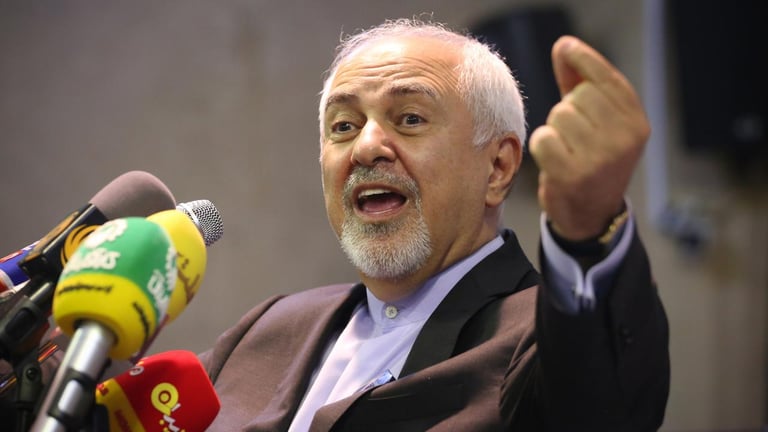

Mohammad Javad Zarif resigned as Iran's Vice President just eleven days after his appointment by President Masoud Pezeshkian.
His resignation marks the second political crisis for President Pezeshkian, who took office at the end of July, following the assassination of Hamas leader Ismail Haniyeh in Tehran.
Zarif expressed dissatisfaction with his work in President Pezeshkian's cabinet and plans to return to academia.
He indicated that disagreements over ministerial selections, with at least seven out of nineteen not being his preferred choices, contributed to his decision to resign.
Iran's new president, Masoud Pezeshkian, announced a cabinet that includes several conservatives and only one woman, leading to significant backlash.
Political observers suggest that conservative factions and hardliners pressured President Pezeshkian to appoint ministers who align more closely with their views.
President Pezeshkian campaigned on a platform to end Iran's isolation and revive the nuclear deal to lift sanctions.
Zarif was also key to implementing Pezeshkian's new foreign policy approach.
Zarif hoped that future appointments would rectify the current situation, but did not provide further details.
In his resignation posts on Instagram, Zarif clarified that his decision did not reflect a loss of hope for the new government but doubts about his effectiveness in his role.
Zarif, a key figure in Pezeshkian's campaign, expressed dissatisfaction with his ability to achieve promised changes regarding the representation of women, youth, and ethnic groups.
Zarif's resignation occurs amid heightened tensions in the region following the assassination of Hamas leader Ismail Haniyeh in Tehran.
Summary based on 6 sources
Get a daily email with more World News stories
Sources

The New York Times • Aug 12, 2024
Javad Zarif’s Resignation in Iran Signals Divisions as President’s Cabinet Takes Shape
Yahoo News • Aug 12, 2024
Iranian vice president resigns after only 11 days in office