Bukele Proposes Prisoner Swap: 252 Deported Venezuelans for Opposition Figures
April 21, 2025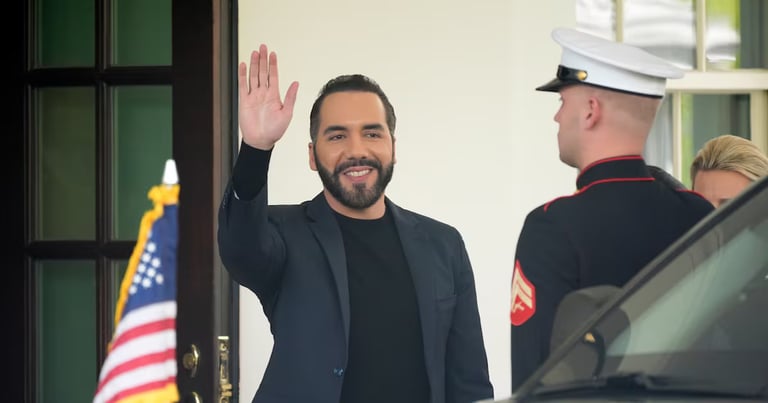

Maduro has urged Bukele to comply with legal norms regarding the detained Venezuelans, emphasizing the need for legal representation and condemning forced disappearances.
International bodies, including the European Union and the Organization of American States, have called for the release of political prisoners like Williams Dávila, who was arrested during a vigil for political prisoners.
Human rights activists have expressed shock that the deported Venezuelans, many of whom were removed without due process, have become pawns in a political conflict between authoritarian leaders.
The Venezuelan opposition is in a difficult position, hesitant to criticize U.S. deportation policies for fear of losing support in their struggle against Maduro.
Maduro, who was sworn in for a third term amid allegations of electoral fraud, continues to face international criticism while leveraging the situation to deflect attention from his regime's repression.
At the United Nations, Maduro has labeled the deportations as 'kidnappings' and suggested that the transfers may constitute a crime against humanity.
Among those Bukele seeks to include in the exchange are individuals like Rafael Tudares, son-in-law of opposition leader Edmundo Gonzalez, and journalist Roland Carreño.
Human rights organizations assert that the detainees lack proper legal representation and are experiencing significant delays in their court proceedings.
El Salvador's President Nayib Bukele has proposed a controversial deal to exchange 252 Venezuelans deported from the U.S. for political prisoners held by Venezuelan President Nicolas Maduro.
Bukele's government has faced criticism for housing deported individuals in a mega-prison known as the Terrorism Confinement Center, which is part of his broader crackdown on gangs.
Despite the backlash, Bukele defends these detentions as necessary actions against gangs, particularly the Tren de Aragua, which has been linked to criminal activities in the U.S.
Critics argue that many of those detained have been wrongfully targeted based on appearance, such as tattoos, rather than any actual criminal behavior.
Summary based on 31 sources
Get a daily email with more World News stories
Sources
The Guardian • Apr 21, 2025
Venezuela accuses El Salvador of human trafficking as prisoners caught in row between authoritarians
The Guardian • Apr 21, 2025
El Salvador’s president proposes swapping US-deported Venezuelans with Maduro’s ‘political prisoners’
BBC News • Apr 21, 2025
El Salvador offers Venezuela prisoner swap involving US deportees