Bipartisan U.S. Lawmakers Push Sanctions Bill Against Russia, Oppose Controversial Peace Plan
November 29, 2025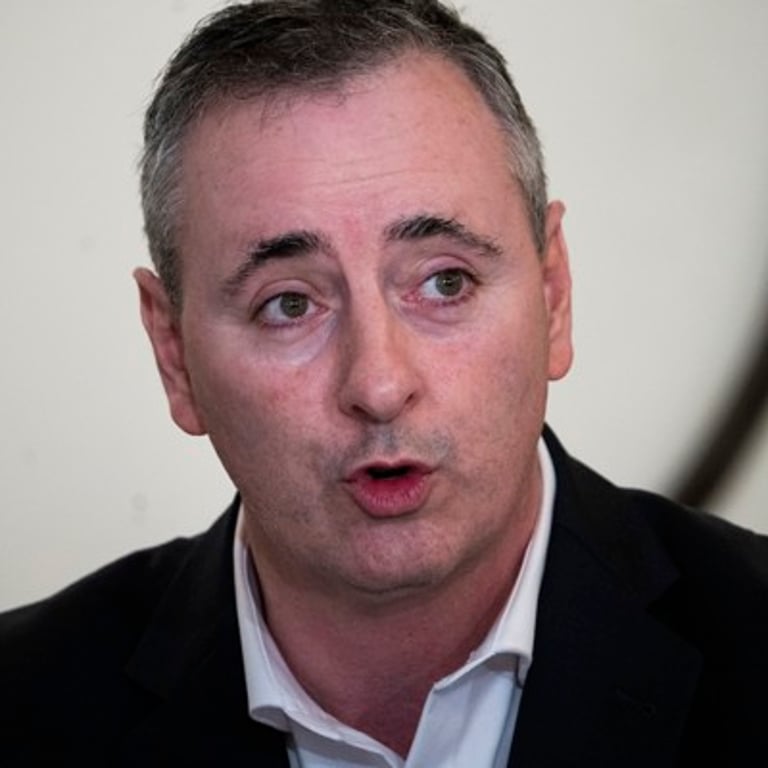

Despite objections, Fitzpatrick and Bacon agree on pursuing a peace agreement but insist it must respect Ukraine’s sovereignty and promote long-term regional stability.
Lawmakers stress the need to break the stalemate, recalibrate U.S. policy to counter Russian expansion, and safeguard Ukraine’s sovereignty, signaling ongoing bipartisan scrutiny of the negotiations.
Two Republican lawmakers, Fitzpatrick and Bacon, lead the opposition, arguing the deal could cede Ukrainian territory and reduce its military capacity, aiming to inject Congress into the process.
U.S. lawmakers are drafting a sanctions bill in response to a revised 28-point peace plan with Russia that would pressure Ukraine to concede territory, weaken its military, and forgo NATO membership, a move they argue threatens Ukraine’s sovereignty and regional stability.
The proposed peace plan reportedly shifts the terms unfavorably for Ukraine while letting Russia face less accountability, prompting bipartisan concerns that it could enable prolonged Russian dominance over Ukraine.
Led by a bipartisan group, lawmakers intend to introduce a sanctions bill against Russia to oppose the peace deal and defend Ukraine’s sovereignty and regional balance.
There is controversy over excluding Secretary of State from key negotiations, fueling fears that top diplomacy is sidelined in favor of military channels and a diminished National Security Council role.
The debate frames diplomacy as a balance between advancing talks, protecting sovereignty, and safeguarding U.S. national security interests, with questions about how negotiations will unfold and affect the broader geopolitical landscape.
Rep. Brian Fitzpatrick, chair of the Ukraine Caucus, argues Congress must shape U.S. policy and has introduced a sanctions bill with broad Senate support; Rep. Don Bacon says he will back it once it reaches 218 signatures for a floor vote.
Critics describe the proposed agreement as unacceptable and reminiscent of appeasement, with comparisons to the Munich Agreement and questions about excluding the Secretary of State from negotiations.
Revisions reportedly send the plan back to Moscow, raising concerns about Ukraine ceding sovereignty and uneven standards, as Russia would not face equivalent democratic benchmarks.
Lawmakers propose using roughly $300 billion of frozen Russian assets held in European banks to fund Ukraine’s reconstruction, contingent on reaching a peace agreement and as an incentive for Russia to negotiate constructively.
The sanctions bill already has broad bipartisan support with about 85 cosponsors and could advance with sufficient signatures and a floor vote.
Summary based on 2 sources
Get a daily email with more World News stories
Sources

Visegrád Post • Nov 29, 2025
Lawmakers Push for Russian Concessions in Ukraine Deal, Aiming to Transform Regional Stability and Peace
DEFCROS News • Nov 27, 2025
Lawmakers Commit to Taking Action for Russian Concessions in Proposed Ukraine Agreement - DEFCROS News