San Francisco Sues Food Giants Over Ultraprocessed Foods, Cites Public Health Crisis
December 3, 2025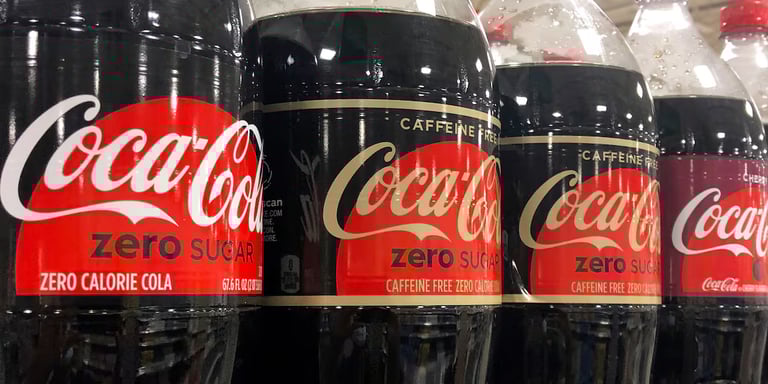


San Francisco filed a lawsuit against major U.S. food manufacturers, including Coca‑Cola, Nestlé, PepsiCo, Kraft Heinz, Post, Mondelez, General Mills, Kellogg, Mars, and Conagra, alleging ultraprocessed foods contribute to a public health crisis.
The city seeks court orders to curb deceptive marketing, educate consumers on health risks, limit advertising to children, and impose penalties to offset local health care costs.
San Francisco argues ultraprocessed foods are designed to provoke cravings and overconsumption and are linked to diseases such as Type 2 diabetes, fatty liver disease, heart disease, colorectal cancer, and depression in younger populations.
The report notes concurrent remarks from national figures about reformulation of ingredients and sugar sources in the United States.
Efforts to obtain comment from the FDA and the city yielded no responses at press time.
The case sits within broader debates over ultratransformed foods, health impacts, and shifting political consensus in the U.S.
Health concerns about ultratransformed foods have risen, though policy approaches remain contentious.
The piece originates from Le Monde with AFP and includes standard reader prompts and subscription messages.
Experts advocate for consumer education and potential labeling reforms, such as front‑of‑package indicators, to aid informed choices.
Background references include Lancet findings on industry influence and a 1999 meeting where major food executives acknowledged potential harm from their products.
Experts discuss lack of a universal scientific definition for ultraprocessed foods, drawing parallels to tobacco litigation and noting the rise of ultraprocessed foods since the 1980s.
Industry spokespersons argue that labeling foods as unhealthy based solely on processing is misleading and highlight ongoing product innovations.
The Consumer Brands Association contends there is no universally accepted definition of ultraprocessed foods and defends reformulation toward higher protein and fiber, lower sugar, while noting no universal definition.
Industry pushback also emphasizes that products meet FDA safety standards and that demonizing processing misleads consumers.
San Francisco Mayor Daniel Lurie underscores the need for residents to know what is in their food and for the city to defend public health.
The lawsuit is part of ongoing public health efforts, contrasted with the absence of immediate industry responses in this report.
Background context includes criticisms of ultraprocessed foods from public figures and actions like California’s efforts to phase out certain UPFs from school meals.
The article notes UPFs make up a large share of the U.S. food supply, debates over causation versus correlation, and California’s measures related to schools and food coloring.
The case signals a rare alignment between San Francisco and federal skeptics of UPFs, suggesting possible future regulatory or litigation trends.
UPFs are defined by the Nova classification as branded, industrially manufactured foods high in sugar, salt, fats, and additives, often displacing real food.
The UPF narrative has global significance, with rising health problems tied to UPF consumption, though the lawsuit itself is U.S.-focused.
Cited products include cereals, candies, soft drinks, and ready-to-eat meals sold in San Francisco.
San Francisco cites past public-health settlements, like tobacco and lead paint cases, as precedents for potential remedies.
The city’s health office points to a track record of taking on large corporations in public-health matters.
Experts emphasize rising UPF adoption, especially among children, and the policy implications of litigation in shaping health outcomes.
San Francisco previously won a landmark tobacco settlement and seeks accountability from the food industry for health-care costs.
The lawsuit aligns with broader concerns about UPFs, receiving support from figures like Robert Kennedy Jr. and fueling ongoing debates.
Cited products range from cereals and snacks to beverages and ready meals sold in the city.
San Francisco is represented by Morgan & Morgan, which previously backed a Philadelphia suit that was dismissed; the current case may hinge on establishing product-specific health links.
The city seeks damages to cover public health costs associated with UPF-related harm, though the amount is not specified.
The litigation targets the broader societal burden of diet-related diseases through penalties to the industry.
Overall, the case reflects a public-health and consumer-protection approach aiming to hold manufacturers accountable.
Definitions describe ultraprocessed foods as highly processed formulations with additives, including examples like cereals, candy, chips, processed meats, sodas, and branded snacks.
The definition covers foods built from former whole foods with additives such as colors, flavor enhancers, emulsifiers, and artificial sweeteners.
Common UPF examples include chips, sugary bars, and soda, typically high in saturated fat, sodium, or sugar with synthetic additives.
Scientific links connect UPFs to harm across organ systems, including cancer, obesity, diabetes, depression, heart disease, and cognitive decline.
Chiu advocates for brands to cease deceptive marketing and pay civil penalties to the city.
The lawsuit calls for consumer education, marketing restrictions, and penalties to offset public health costs, though no immediate company responses were reported.
The article situates UPFs within a broader political context, noting advocacy by Robert Kennedy Jr. and industry moves such as ice-cream makers eliminating synthetic colorants by 2028.
A historical arc is described—from late 20th-century rise of ultratransformed foods to forming political consensus on regulation.
City Attorney David Chiu Characterizes the industry as manufacturing highly crave-inducing products that harm public health and calls for halting deceptive marketing and educating consumers.
Chiu likens the UPF case to tobacco litigation, arguing the industry concealed risks while profiting.
Chiu frames the lawsuit as a strategic move to stop deceptive practices and protect residents.
California’s recent legislative steps to define and restrict UPFs in schools are noted, alongside San Francisco’s prior health policies.
Representives for the 11 brands did not respond to Business Insider’s requests for comment.
Summary based on 23 sources
Get a daily email with more World News stories
Sources
The Guardian • Dec 3, 2025
San Francisco sues food giants over ultra-processed products
Business Insider • Dec 3, 2025
San Francisco sues food brands that sell ultraprocessed food products

Los Angeles Times • Dec 3, 2025
San Francisco sues Coca-Cola, Kellogg over ultra-processed foods. What that means - Los Angeles Times