Ancient Mithaka Cultural Landscape Joins Australia's National Heritage List, Celebrating Historic Trade Route
December 6, 2025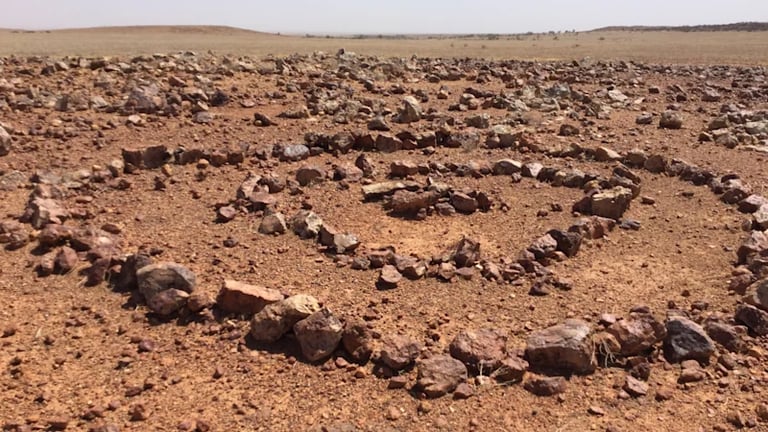

The National Heritage listing imposes a self‑assessment regime for activities in the area to protect its values, while day-to-day pastoral activity is generally exempt.
Overall, the designation represents a historic win for Indigenous cultural preservation and provides a framework for safeguarding heritage with grant-based management support.
The area contains well‑preserved sites, including the world’s largest pre‑agriculture quarry and ancient gunyahs dating to the late 18th century, plus stone arrangements linked to ceremonial use and celestial associations.
Spanning about 33,000 square kilometers, the site includes Morney Plains quarry, one of the world’s oldest non‑agricultural quarry sites, alongside Australia’s oldest intact Mithaka houses dating to around 1770–1780.
Historic evidence points to Mithaka waterways hosting townships and organized trade, with the quarry serving as a major production hub for grindstones used in bread-making.
Federal Environment Minister Murray Watt placed the Mithaka landscape on the National Heritage List, safeguarding a 33,000-square-kilometre area from major mining activity.
Traditional owners describe the landscape as harsh yet beautiful and explain the trade route linked tribes from the Gulf of Carpentaria to the northern Flinders Ranges, enabling movement and exchange across the continent.
The Mithaka were actively involved in pursuing the heritage listing, which will support ongoing protection and access to Australian Heritage Grants for management funding.
The Mithaka landscape is recognized as the East Lake Eyre Trade Route, reflecting what researchers regard as the continent’s most extensive Indigenous trade and exchange network.
The Mithaka cultural landscape in south‑west Queensland has been added to Australia’s national heritage list, underscoring an ancient inland trade route that linked northern coast to southern deserts and sustained centuries of exchange, production, and ceremonial activity.
Archaeological dating shows the quarry operated from about three millennia ago to just before colonisation, with as many as 15,000 pits and over 1.5 million grindstones produced during its long history.
The site sits within a record of reconciliation, being one of the oldest agreements between Indigenous people, white settlers, and the Native Mounted Police.
The listing comes amid broader debates over Indigenous heritage protections, including scrutiny of government decisions on other projects and ongoing concerns about safeguarding rock art.
Environment Minister Murray Watt hailed the listing, noting strong involvement by traditional owners in the process and application to secure protection.
Researchers have documented at least 600 sites within a small part of Mithaka Country, with expectations that more sites will be identified over time.
In 1889 Mithaka country became a focal point for peace negotiations between Aboriginal communities and pastoralists, contributing to native title protections won in 2015 and expanded custodianship to nearby areas.
Researchers led by Michael Westaway describe the quarry networks as large-scale mining-like operations within a hunter‑gatherer context, with evidence of dams and landscape modification for economic benefit.
Summary based on 2 sources
Get a daily email with more World News stories
Sources
Brisbane Times • Dec 5, 2025
Historic win: Vast Indigenous cultural landscape gains protection