US Pledges $2 Billion to UN Aid, Sparks Debate Over New Funding Strategy and Exclusions
December 29, 2025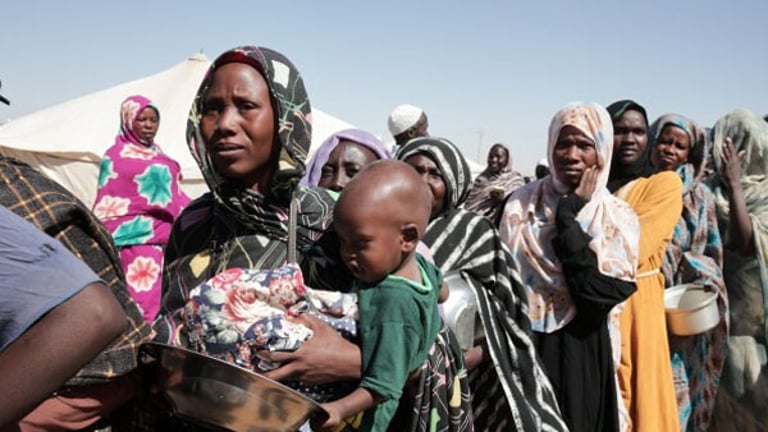

The United States pledges $2 billion for UN humanitarian aid, signaling a move to consolidate funding under tighter U.S. control as part of a broader foreign aid reduction.
A new reform framework will fund 17 priority countries initially, including Bangladesh, Congo, Haiti, Syria, and Ukraine, while Afghanistan and the Palestinian territories are not in the first tranche.
Humanitarian workers warn the year has been crisis-ridden, with cuts, famine, and displacement intensifying on multiple fronts, highlighting the urgency of the funding shift.
Donor requirements will specify which countries and which types of work are funded, emphasizing life-saving aid and excluding climate-related or non-priority projects under the new mechanism.
Tom Fletcher, head of OCHA in Geneva, frames the pledge as a landmark that could save lives and improve outcomes, even though expectations had been that funding would be zero.
The deal was signed in Geneva with Fletcher underscoring that the $2 billion is a meaningful milestone amid uncertainties over future funding levels.
Officials acknowledge the funding is limited but view it as a positive signal amid ongoing crises, with pragmatism that some funding is better than none.
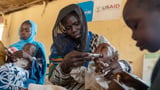
Funding conditions challenge aid agencies in non-prioritized crises, as seen in closures of maternity clinics in Afghanistan and reduced rations in Sudan.
Critics contend that donor politicization and country exclusions undermine core humanitarian principles of neutrality, impartiality, and needs-based distribution.
Fletcher cautions that Gaza remains an ongoing separate priority requiring additional donor support, noting previous US funding for a Gaza ceasefire-related UN pipeline.
The new model sits in a broader trend of shrinking donor support for UN appeals, with the UN seeking about $23 billion for 2026 to reach 87 million people amid rising needs.
The pledge reflects changing financial realities and a push for drastic UN reforms that humanitarian workers fear could hamper aid effectiveness.
Summary based on 30 sources
Get a daily email with more World News stories
Sources

The Guardian • Dec 29, 2025
US pledges $2bn in new UN model for delivery of humanitarian assistance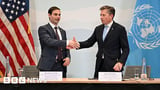
BBC News • Dec 29, 2025
US pledges $2bn for humanitarian aid, but tells UN 'adapt or die'