Italy Pioneers Inclusive Tourism: Tactile Art Experiences for Blind and Low Vision Visitors
February 4, 2026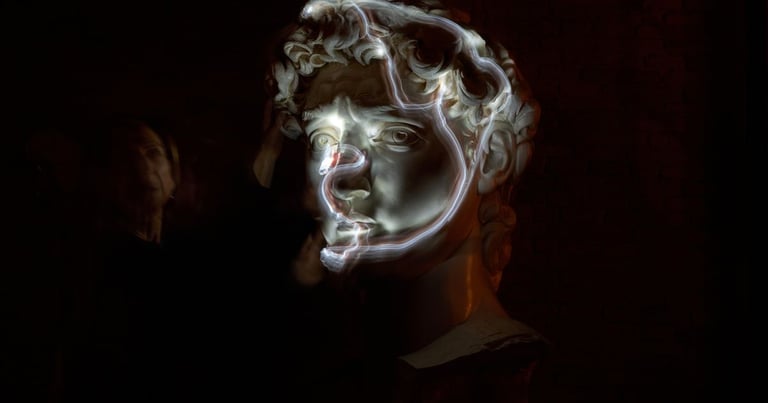

Italy is expanding accessibility for art lovers who are blind or have low vision, using tactile models, braille signage, audio guides, and guided sensory experiences at major sites like the Colosseum, Pompeii, and the Uffizi Gallery to enhance inclusive tourism.
Personal perspectives illuminate the effort, with examples like Marcato learning architectural shapes through touch and Guardi promoting touch and multi-sensory learning in public spaces.
Museo Omero was founded by Aldo and Daniela Grassini after early museum experiences that limited touch, arguing that tactile engagement provides emotional and cognitive insights beyond vision.
This photo essay is curated by AP photo editors and authored by Alessandra Tarantino and Andrew Medichini.
The piece situates accessibility improvements within broader social rights and economic considerations, showing concrete steps across several major Italian cities.
Inclusive tourism is presented as both a human rights issue and an economic opportunity, noting that a significant portion of the aging population has disabilities and tends to travel with companions, expanding demand for accessible services.
Economically, the inclusive tourism model benefits by attracting visitors who often travel with multiple companions, reflecting disability-related travel patterns.
The inclusive approach is framed as a potential economic benefit as well as a human rights effort, aligning with World Tourism Organization data on disability prevalence and travel behavior.
Summary based on 17 sources
Get a daily email with more World News stories
Sources
The Washington Post • Feb 4, 2026
Italy gets creative as it works to make art accessible for blind people
The Independent • Feb 4, 2026
PHOTO ESSAY: Making Italy's art accessible to people with disabilities
AP News • Feb 4, 2026
PHOTO ESSAY: Making Italy's art accessible to people with disabilities | AP News
AP News • Feb 4, 2026
Making art accessible for blind people in Italy | AP News