Haiti's Presidential Council Dissolves Amid Political Chaos and Gang Violence
February 7, 2026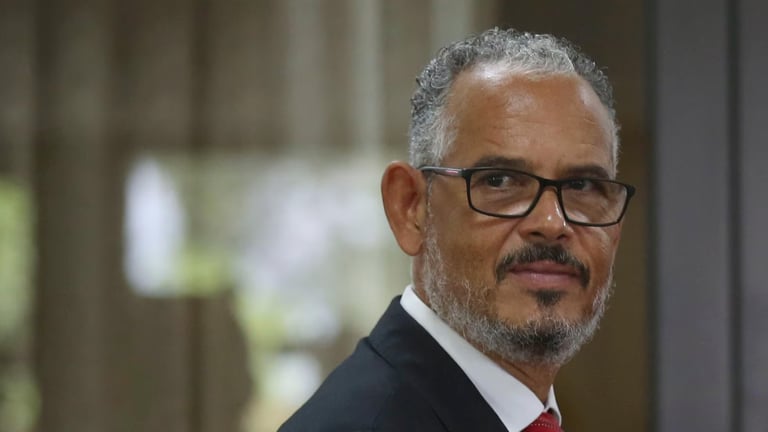

Analysts say the future security mission will depend on establishing a credible, legitimate governing framework to attract ongoing international backing.
Haiti’s nine-member presidential council, backed by the United States, dissolved on February 7, 2026 after nearly two years in power amid ongoing political instability and rampant gang violence in Port-au-Prince.
Prime Minister Alix Didier Fils-Aimé remained in office as the council dissolved, with plans for a new general election in the coming decade and efforts to shift governance toward security and electoral reforms.
Negotiations are underway over who will replace the council as a multinational security mission recalibrates its role, emphasizing that any new governing authority must demonstrate legitimacy to win international support.
Earlier accusations of corruption within the council had surfaced, including bribery allegations against several members in 2024.
Public sentiment, voiced by street vendors like André Joseph, remains a call for new leadership capable of delivering stability and security.
Outgoing president Laurent Saint-Cyr said the council had paved the way for governance focused on security and electoral issues, while Fils-Aimé signaled he would address the nation later.
In the lead-up to the dissolution, some influential council members had moved to oust Fils-Aimé, triggering U.S. objections and resulting in visa sanctions on several council members and a cabinet minister.
The United States signaled its willingness to influence Haiti’s transition by deploying a warship and Coast Guard boats near Port-au-Prince amid gang control of the capital.
Observers doubt that general elections or a runoff will occur this year given persistent violence and instability, even as tentative dates were floated and international partners seek clarity on governance.
The council was established in April 2024 after the assassination of President Jovenel Moïse to stabilize the country, but it struggled with corruption allegations and limited effectiveness against entrenched gangs.
As the council ended, displaced Haitians and residents expressed disappointment and renewed demand for a more effective, legitimate government.
Summary based on 4 sources
Get a daily email with more World News stories
Sources

AP News • Feb 7, 2026
Haiti's presidential council dissolves as lone, unelected ruler remains | AP News

WKMG News 6 & ClickOrlando • Feb 7, 2026
Haiti's presidential council dissolves after rocky tenure as unelected US-backed ruler remains
Queen City News • Feb 7, 2026
Haiti’s presidential council dissolves after rocky tenure as unelected US-backed ruler remains