Kosovo Faces Third Election in a Year Amid Political Stalemate and EU Talks at Risk
March 6, 2026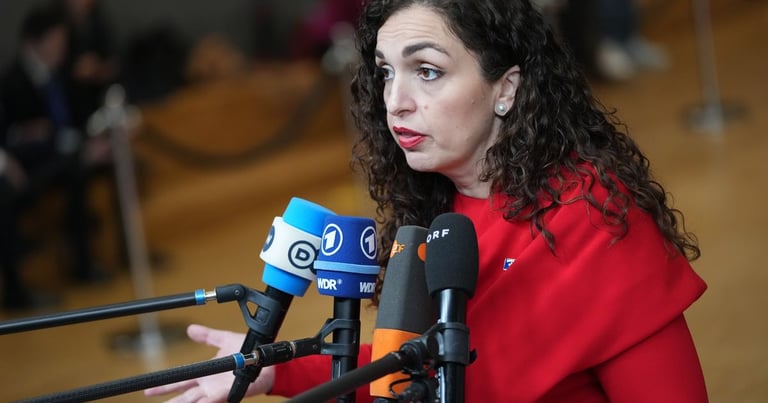

Osmani has stated she will meet with party leaders to set an election date, stressing that the deadlock must end to secure national stability.
The broader regional instability in the Balkans compounds the stalemate, as Serbia refuses to recognize Kosovo and normalization talks remain contentious.
Analysts warn that a new election could prolong stalled Serbia–Kosovo negotiations and delay broader normalization and EU accession efforts for both sides.
International media have highlighted Kosovo’s political deadlock, with outlets like Le Monde and AFP covering the crisis and its implications.
Observers note that the dissolution clears a path to fresh elections and potential government realignment, though the process hinges on negotiations and any court rulings.
Osmani has characterized the dissolution as a constitutional duty and said the deadlock was avoidable, insisting lawmakers had sufficient time to choose a president.
Kosovo is spiraling into political upheaval as President Vjosa Osmani dissolves Parliament and triggers early elections after lawmakers failed to elect a successor by the deadline due to a lack of quorum in the 120-seat assembly.
Prime Minister Albin Kurti’s Self-Determination Movement put forward Deputy Prime Minister and Foreign Minister Glauk Konjufca as a candidate for the presidency, but opposition lawmakers demanded a consensus pick and did not back the nomination.
This will be Kosovo’s third election in just over a year, following inconclusive results from February 2025 and a December 2025 vote that did not yield a lasting majority.
The ongoing crisis stalls Kosovo-Serbia normalization talks, a process tied to both nations’ European Union hopes and regional stability in the Balkans.
Osmani, aligned with the LDK and allied groups after forming a broader coalition, has long pressed for a coalition government amid deep governance divides and repeated elections.
The backdrop remains Kosovo’s 2008 independence, which Serbia and some powers do not recognize, fueling ongoing tensions and the difficulty of forming a stable government.
Summary based on 17 sources
Get a daily email with more World News stories
Sources

AP News • Mar 6, 2026
President moves to dissolve Kosovo Parliament for early election | AP News
The Hindu • Mar 6, 2026
Kosovo President dissolves Parliament, calls snap election after failed presidential vote
Agenzia ANSA • Mar 6, 2026
Kosovo MPs fail to elect president, fresh elections follow - News - Ansa.it
Agenzia ANSA • Mar 6, 2026
Kosovo president dissolves parliament to permit new election - Politics - Ansa.it