Colombia's Historical Pact Leads in Elections; Coalition-Building Crucial Amid Rising Polarization
March 9, 2026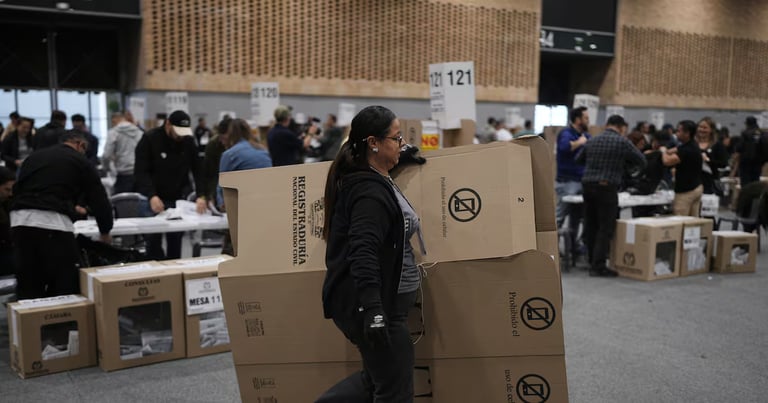

Opposition forces, notably Álvaro Uribe’s Democratic Center, gained seats in the Senate, signaling a more polarized political environment.
Analysts caution that Petro’s reforms—like nationalizing health care and pension overhauls—have short-term appeal but may be costly to sustain and face opposition attempts to roll them back.
Colombia’s Historical Pact, led by President Gustavo Petro, won the largest share of seats in both chambers but fell short of a majority, making coalition-building essential to push reforms.
Partial results show the Historical Pact capturing roughly a quarter of Senate seats and about 15 percent of House seats, positioning it as the leading bloc but without a governing majority.
The vote occurred amid ongoing violence against politicians, underscoring security concerns for candidates and voters ahead of a polarized race.
Elections came two months before a presidential vote that will shape security policy and the continuation of Petro’s reforms.
Presidential candidates for the May election were chosen by the three major blocs in voluntary pre-voting rounds, with Petro ineligible to run again.
With Petro barred from re-election, Iván Cepeda of the Historical Pact leads polls, while Abelardo de la Espriella and Paloma Valencia emerge as key rivals in a field likely to shape future security and economic reforms.
The May election and possible June run-off complicate the path to constitutional change, making congressional coalitions crucial.
Reform proposals under consideration cover labor, health care, and pensions, sparking debate over cost and sustainability versus long-term benefits.
Analysts say results challenge Colombia’s centrist governance tradition, suggesting rising populist pressures with implications for security and negotiations with rebel groups.
The new Congress takes office July 20, with a likely second-round presidential vote in June and a constitutional cap preventing Petro from running again.
Summary based on 8 sources
Get a daily email with more World News stories
Sources
WDIV ClickOnDetroit • Mar 9, 2026
Colombia's President Petro wins in congressional election, but lacks majority to advance reforms

Devdiscourse • Mar 9, 2026
Colombian Politics: The Historical Pact's Legislative Triumph amidst Political Polarization