UN Security Council Condemns Iran's Gulf Attacks, Demands Immediate Halt
March 11, 2026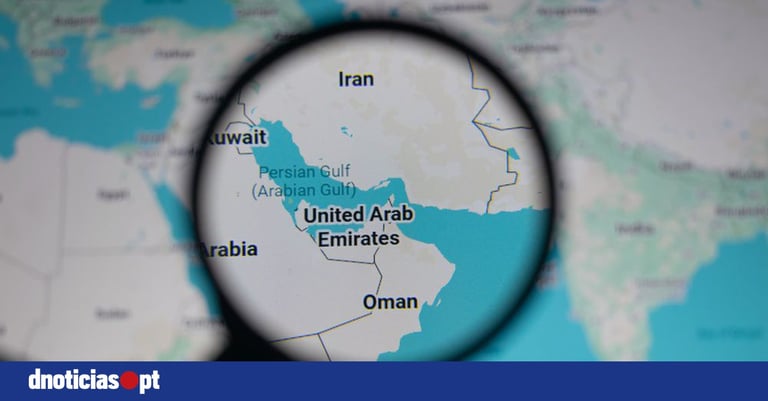


The UN Security Council adopted a resolution condemning Iran's attacks on neighboring Gulf states and demanding an immediate end to those assaults, as Gulf capitals and Jordan led the effort and secured broad international backing.
The resolution highlights Iran’s blockade of key maritime routes, condemning disruption of the Strait of Hormuz and Bab el-Mandab and warning of serious threats to global peace and security, with calls to restore freedom of navigation.
Iranian drone and missile strikes are characterized as illegal under international law and a direct threat to global stability, with emphasis on attempts to disrupt maritime traffic in the region.
Geopolitical context shows differing preferences among major powers, including Russia and China, and the potential impact on US-Gulf relations and regional diplomacy.
Iran’s president thanked Putin, while Putin’s spokesperson floated cooperation with the US to stabilize energy markets, signaling high-level diplomacy amid humanitarian discussions.
Lebanon’s toll and displacement are stark: hundreds killed or injured and hundreds of thousands displaced amid Israeli strikes and ongoing cross-border exchanges involving Hezbollah.
The article notes Iran’s isolation contrasted with Russia’s robust ties at the start of NATO’s Ukraine conflict, suggesting state choices are driven by self-interest rather than ideal multipolar principles.
Civilian harm and global reactions reverberate—from damage in Lebanon and Iran to cultural sites, with protests and policy responses across Europe and Asia highlighting potential wider economic repercussions.
Russia and China have historically shielded allies in the UN; the abstentions in this case reflect calculations aimed at protecting Iran while signaling diplomatic maneuvering.
The resolution downplays blame on US-Israel joint actions, underscores security in the Middle East, and reiterates states’ right to self-defense under Article 51.
Global condemnation of Iran is framed in terms of geopolitical and economic calculations, including energy and sanctions considerations, rather than a purely idealistic stance.
The resolution was presented by Bahrain on behalf of the GCC states—Bahrain, Kuwait, Oman, Qatar, Saudi Arabia, the UAE—and Jordan, with broad international sponsorship.
Summary based on 9 sources
Get a daily email with more World News stories
Sources
Economic Times • Mar 12, 2026
India cosponsors UNSC resolution condemning Iran's 'egregious' attacks on GCC, Jordan
Ahram Online • Mar 11, 2026
🔴 LIVE UPDATES: 91 children and 47 women among 634 killed in Israeli strikes on Lebanon - Region - World
naked capitalism • Mar 12, 2026
Why Did Most Of The World Condemn Iran At The UN? | naked capitalism
PassBlue • Mar 12, 2026
UN Security Council Condemns 'Egregious Attacks' by Iran in the Mideast - PassBlue