Japan's Record Budget Sparks Controversy: Ruling Party's Rush Faces Opposition Hurdles
March 14, 2026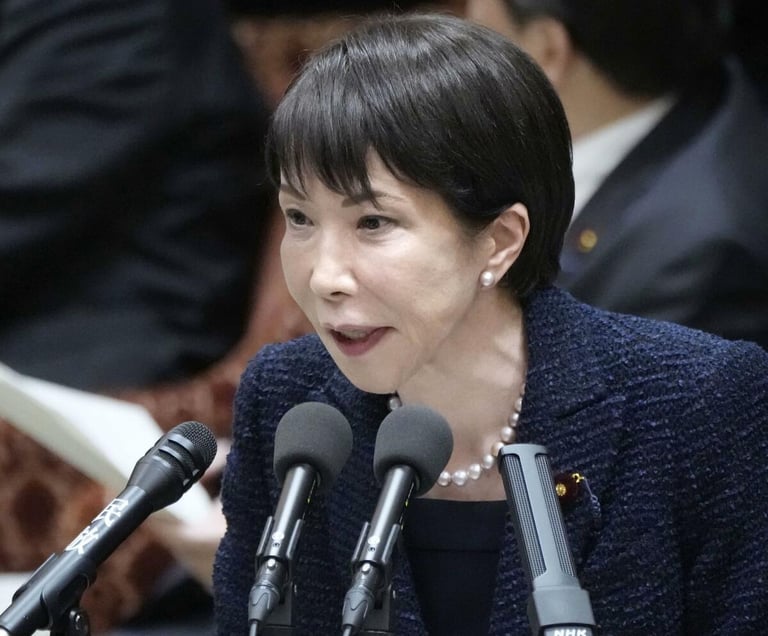

In late 2025, the opposition Democratic Party for the People (DPP) struck an agreement with the LDP to seek budget approval by March, shaping urgency and dynamics in the passage.
Analysts warned that rushing the budget with raw majoritarian power could undermine democratic deliberation, noting cabinet ministers often speak for the government rather than the prime minister directly explaining policy.
DPP leader Yuichiro Tamaki and other opposition figures argued the unprecedented size warrants thorough examination, citing problems with the shortened deliberations.
The dynamics signal heightened scrutiny in the upper house, with potential revisions or challenges to the budget proposal.
Japan’s lower house approved a record initial state budget for fiscal 2026, totaling about 122.3 trillion yen, using the ruling coalition’s supermajority and pushing it through amid criticism over its size and the shortened, expedited deliberations.
Led by Prime Minister Sanae Takaichi, the ruling coalition pushed the record budget through the House of Representatives with an expedited process, despite opposition protests and moves to oust the Budget Committee chair.
Opposition parties are employing delay tactics to slow passage, resisting expedited approval and extending parliamentary debate.
The debate centers on balancing efficient passage with transparent, rigorous scrutiny of how public funds are allocated.
Prime Minister Takaichi aims to have the budget approved by the end of March to avoid delays in disbursements and push forward signature policies, including strategic investments and defense spending.
The rushed Lower House process involved minimal subcommittee debate and no ministry-specific budget theme sessions, a practice not seen in decades.
The article highlights the tension between the ruling bloc’s urgency and the opposition’s strategy to obstruct rapid passage.
Deliberations in the Lower House were shortened to roughly 59 hours, the shortest since 2000, drawing sharp criticism from opposition parties.
Summary based on 7 sources
Get a daily email with more World News stories
Sources
The Asahi Shimbun • Mar 14, 2026
LDP turns to its numbers to rush budget through Lower House | The Asahi Shimbun: Breaking News, Japan News and Analysis
The Japan Times • Mar 13, 2026
Parties wrangle over fiscal 2026 budget as ruling bloc pushes for passage
Japan Wire by Kyodo News • Mar 13, 2026
Japan ruling bloc led by Takaichi rams FY 2026 budget through lower house