De Facto Annexation: Israel's Expansion Risks Diplomatic Isolation and Stifles Palestinian Statehood
March 15, 2026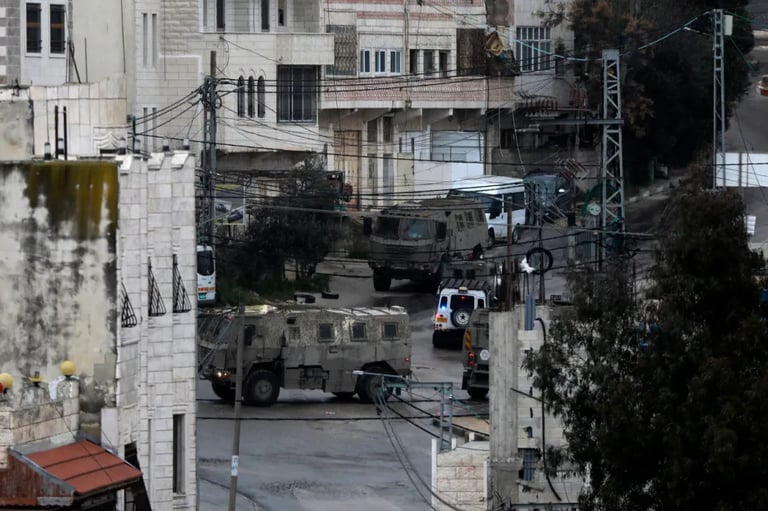

Civilian governance is increasingly replacing military administration in Area C, as Israeli ministries assume land registration, planning, infrastructure, and settlement administration, signaling a shift toward incorporation.
Israel is not formally declaring annexation of the West Bank, but is effectively annexing through administrative changes, settlement expansion, land reclassification, and infrastructure projects—constituting de facto annexation.
The settlement enterprise is the main driver of territorial absorption, with more than 700,000 settlers in the West Bank and East Jerusalem and a network of highways, zones, and industrial links tying them to Israel.
Palestinians face a gradual erosion of the territorial basis for statehood as communities are confined to isolated enclaves, narrowing the political horizon toward a permanence of occupation with partial rights.
The international reaction features widespread condemnation and warnings that these developments violate international law and threaten the two-state framework, though political pressure remains limited.
Land registration reforms and changes to purchase laws enable permanent transfer of land to Israeli control and ease settlement expansion, with categories like 'state land' increasing influence.
Palestinians face escalating violence, displacement, and barriers to building permits in Area C, creating a coercive environment aimed at eroding landholding and mobility.
Israel stands at a crossroads: continue expansion and risk isolation and conflict, or pursue a path toward genuine peace rooted in equality and international law.
The article sketches a likely outcome of a single Israeli-controlled space with Palestinian enclaves, forecasting instability and resistance unless a shift toward international-law-based peace and genuine self-determination occurs.
Strategic risks for Israel include growing diplomatic isolation, potential legal scrutiny in international courts, the threat of renewed Palestinian uprising, and the challenge of maintaining a system of unequal rights if large populations remain under occupation.
Infrastructure plans, including a corridor between Jerusalem and settlements to the east, are reshaping geography by creating contiguous settlement blocs and potentially splitting Palestinian territory, undermining state contiguity.
Summary based on 1 source
Get a daily email with more World News stories
Source

Middle East Monitor • Mar 15, 2026
Annexation without a declaration- Israel’s quiet seizure of the West Bank