UK Slashes Overseas Aid by 40%, Shifts Focus to Defence Amid Global Instability
March 19, 2026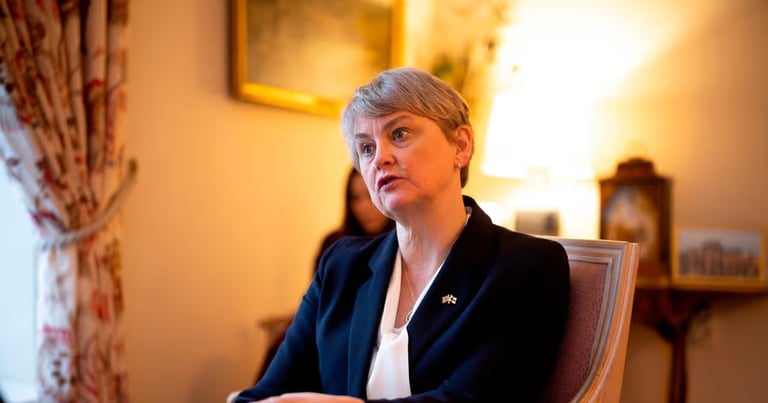

The UK government unveiled a sweeping plan to cut overseas aid by 40% over three years, slashing bilateral aid to several African nations from about £1.3 billion annually to £677 million, and enforcing substantial cuts for other countries such as Afghanistan, Yemen, and Myanmar.
Foreign Secretary Yvette Cooper announced that the aid budget would be reduced to 0.3% of GDP by 2027 to free up funds for higher defence spending, signaling a major policy shift in the UK's international aid approach.
The reductions are set to hit a broad list of African states (including Uganda, Kenya, Tanzania, Zambia, Malawi, Mozambique, Rwanda, Zimbabwe, Ghana, Mauritius, Senegal, and Sierra Leone) and are expected to cut humanitarian relief funding by about 15%, to just under £300 million annually.
Committee chair Sarah Champion warned that development funding plays a crucial role in prevention and security, cautioning that cutting aid could worsen education gaps for girls in South Sudan, raise polio risk, and increase hunger.
Cooper emphasized prioritizing aid to conflict zones while sustaining support for Ukraine, Sudan, Palestine, and Lebanon, and continuing diplomacy to prevent and resolve conflicts and uphold international law.
Analysts framed the move as a strategic reallocation to protect national interests amid global instability, while maintaining focus on humanitarian crises and conflict prevention.
Parliamentary and advocacy groups criticized the plan as risking greater inequality and vulnerability, though some welcomed preservation of gender-focused programs within the broader cuts.
The government said the reduced aid budget would still target fragile and conflict-affected states and humanitarian needs, with protection for women and girls and continued learning opportunities for children in conflict zones.
HIV funding is not fully protected and would be redirected largely through the Global Fund and bilateral programmes, despite advocacy from MPs and charities to maintain funding through 2030.
Officials argued they face hard choices and trade-offs, claiming the UK will remain a major global funder, focusing aid on those most in need while preserving gender equality initiatives and some violence prevention work.
Experts and critics warned the cuts could severely harm global health, development, and poverty reduction, potentially undermining global security and Britain’s international standing.
Opposition and charities warned reductions would hurt health, education, and protection for children in the world’s poorest regions, possibly weakening global health resilience and security.
Summary based on 4 sources