Japan to Transform Underground Spaces into Dual-Use Emergency Bunkers Amid Rising Threats
March 22, 2026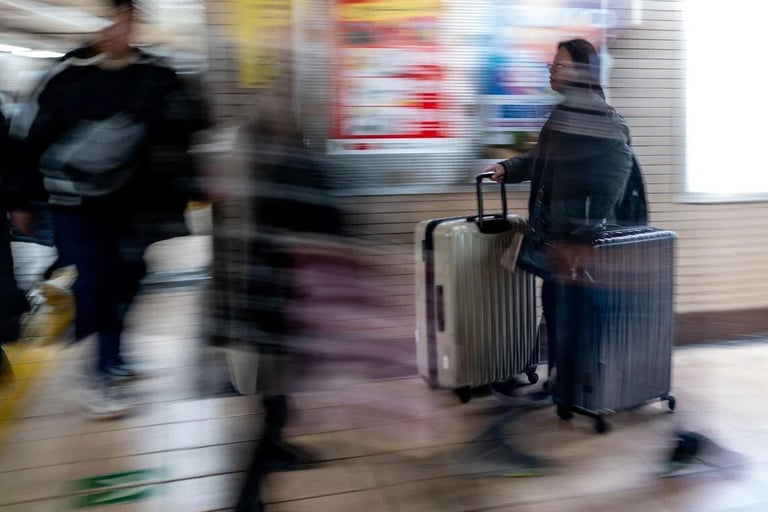

Shelter coverage will be measured at the municipal level, aiming for 100% coverage across municipalities, with daytime population used as a key factor in some urban areas.
In addition to wartime threats, these spaces would serve as temporary shelters during natural disasters such as earthquakes to mitigate mass displacement.
The plan envisions private underground facilities—subway stations, underground shopping arcades, and parking lots—as emergency shelters, with incentives like relaxing floor-area ratio rules and awards to encourage participation, including preparation at major stations and new large-scale facilities.
Underground facility owners would be asked to secure supplies and essential electrical equipment to support short-term emergencies lasting from hours to days.
The government aims to supplement public shelters by leveraging private underground spaces, noting that about 90% of current shelters are publicly owned and primarily located in places like schools.
The Cabinet is set to finalize the plan in March and establish a review cycle of roughly every five years, with cabinet approval anticipated later this month.
Incentives are expected to include regulatory changes to encourage private businesses to participate in the dual-use bunker initiative.
Overall, the initiative seeks to boost national emergency resilience by using private underground infrastructure for defense and disaster response.
Cabinet approval is anticipated by the end of March 2026, signaling forthcoming implementation steps.
The plan emphasizes rapid evacuation through better information sharing via private disaster apps and increased shelter awareness, while studying shelters that can withstand nuclear attacks by referencing international examples.
Japan plans to expand the use of underground spaces such as shopping malls, train stations, and parking facilities as dual-use emergency bunkers for attacks or crises, and to increase these facilities as temporary shelters to protect the public from armed threats.
The push is driven by concerns over rising regional threats and missile capabilities, drawing lessons from conflicts where people sought shelter.
Summary based on 3 sources
Get a daily email with more World News stories
Sources

ST • Mar 21, 2026
Japan to push use of underground malls, subways as emergency bunkers
INQUIRER.net • Mar 22, 2026
Japan to push use of underground malls, subways as emergency bunkers
The Japan News • Mar 22, 2026
Japan Aims to Use More Underground Facilities To Be Used As Evacuation Shelters in Case of Armed Attacks