EU–Mercosur Trade Deal Sparks Controversy as Provisional Application Begins May 1
March 23, 2026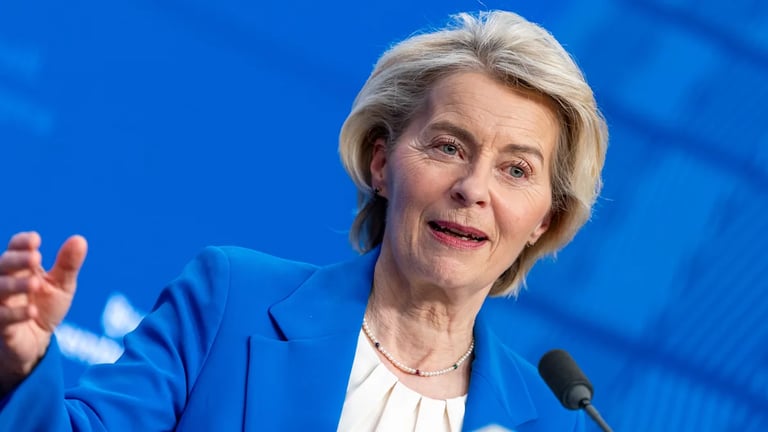

Provisional application is framed as strengthening EU–Mercosur cooperation on urgent global issues like labor rights and climate change, and helping build more resilient supply chains for critical raw materials.
The EU–Mercosur trade deal will begin provisional application on May 1 after ratification by Paraguay and the rest of Mercosur (Argentina, Brazil, Uruguay), ending a more-than-25-year negotiation process.
The decision has triggered a divided response from farmers and anti-globalization groups, while EU Trade Commissioner Valdis Dombrovskis emphasizes delivering concrete results for exporters and growth.
The broader vision is the world’s largest free-trade area, spanning roughly 700 million people, though several member states voice concerns about agricultural impacts.
Provisional application will, from day one, remove tariffs on certain products and establish predictable rules for trade and investment, according to the European Commission.
EU Trade Commissioner Maroš Šefčovič stresses that the provisional phase demonstrates the EU’s credibility as a major trade partner and aims to convert the agreement into concrete outcomes for trade, growth, and jobs.
However, the move has sparked mixed reactions: France and its agricultural sector oppose it, while Germany and Spain support it, and the European Parliament has pursued a legal review amid farmer protests.
The accord seeks to boost EU exports of cars, machinery, wines, and cheeses, while expanding access for Mercosur beef, poultry, sugar, rice, honey, and soy into the EU, with safeguards for sensitive sectors.
Leaders are framing the move in strategic terms: the European Commission President defends the deal as vital for Europe’s resilience and growth, while leaders like France’s president criticize the provisional enactment as a bad surprise.
Observers expect impacts across sectors such as agriculture, automotive, manufacturing, and energy, depending on tariff schedules and regulatory provisions.
A potential obstacle remains the European Court of Justice ruling that could affect the agreement’s ultimate implementation.
The deal covers about a quarter of global GDP and is anticipated to unlock significant economic opportunities, despite domestic opposition and ongoing EU legal challenges.
Summary based on 21 sources
Get a daily email with more World News stories
Sources
Los Angeles Times • Mar 23, 2026
European Union says Mercosur free trade deal will start May 1, linking 700 million people - Los Angeles Times
PBS News • Mar 23, 2026
EU says Mercosur free trade deal will start May 1, accounting for 25% of global GDP
The Globe and Mail • Mar 23, 2026
EU Commission says Mercosur free-trade deal will come into force May 1