Sri Lanka Faces $4 Billion Cyclone Rebuilding Crisis Amid Economic Strain and Global Tensions
April 12, 2026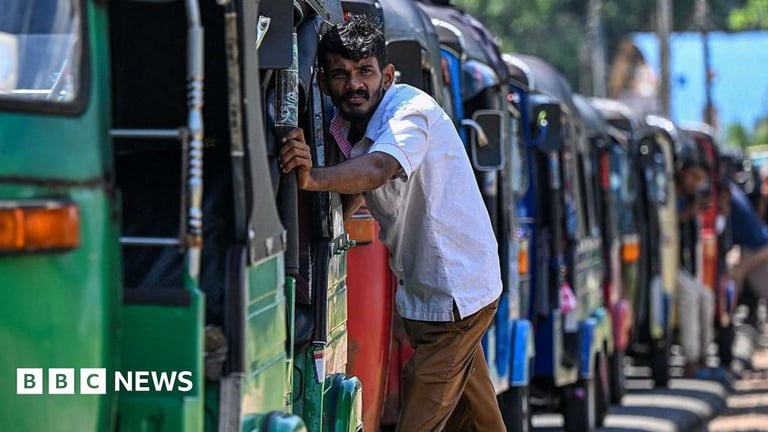

Experts describe a triple shock of floods, rising fuel prices, and looming drought, intensifying shortages and economic strain.
Preexisting economic hardship, including fuel shortages, rising prices, reduced workweeks, and previous debt default, compounds the recovery challenges already facing daily life and the economy.
The crisis tests the presidency as the leader must steer reconstruction, stabilize the economy, and maintain foreign exchange and remittance inflows amid regional geopolitical tensions.
Relief measures include 50,000 rupees for partially damaged homes, up to five million for fully destroyed homes, and about a million rupees for families of the deceased, but more than 165,000 people remain displaced months later due to slow compensation and uneven aid.
India quickly responded with Operation Sagar Bandhu, delivering roughly $450 million in aid and on-the-ground relief, while China’s contribution was comparatively smaller, and Sri Lanka seeks further Beijing support for rebuilding.
Sri Lanka faces a massive reconstruction challenge after Cyclone Ditwah, with damages estimated at about $4 billion (roughly 4% of GDP), a figure that surpasses the 2004 tsunami in terms of infrastructure loss.
The floods and cyclone have driven unprecedented damage to infrastructure and livelihoods, with the total economic impact topping previous disaster levels, even as the death toll is lower than in 2004.
International lenders and analysts place the damage at around $4 billion, underscoring the scale of reconstruction needs and pressure on public finances and foreign reserves.
The disaster hit during an ongoing economic crisis marked by fuel shortages, price hikes, and rolling power cuts, with austerity and international aid ongoing.
Authorities promote a Build Back Better approach to reconstruction to boost resilience, while acknowledging delays in compensation and the strain on public finances and foreign reserves (about $7 billion).
institutions like the World Bank and UN warn that the disaster heightens Sri Lanka’s economic fragility and reconstruction needs amid global tensions that affect remittances.
The government emphasizes rebuilding to be resilient—back better—while managing scarce foreign reserves of about $7 billion and navigating risks from regional turmoil that could impact remittances.
Summary based on 2 sources
Get a daily email with more World News stories
Sources

BBC News • Apr 11, 2026
Iran war lands 'triple blow' to flood-ravaged Sri Lankans
BBC News • Apr 11, 2026
Iran war lands 'triple blow' to flood-ravaged Sri Lankans