Iran's 2026 Internet Blackout Devastates Economy, Spurs Public Outrage Amidst Wartime Security Claims
May 1, 2026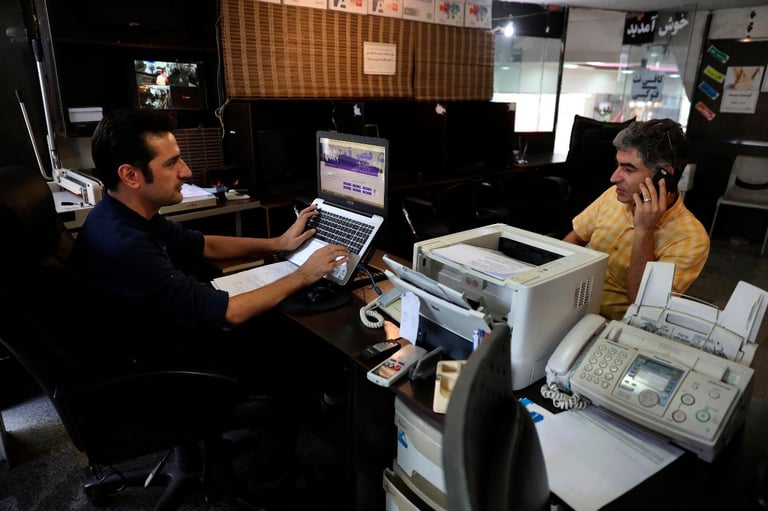


Despite the limited access, the government frames the shutdown as necessary for national security, with ongoing debate over its impact on the economy and society.
Beyond individuals, critical services feel the pinch — hospitals use WhatsApp for X-ray transfers and major platforms like Google Maps are blocked, with domestically developed apps pushed for censorship and monitoring.
The shutdown began amid mass protests, escalated from partial restrictions in January to a full nationwide blackout by late February amid wartime rhetoric and regional conflict.
The timeline tracks a shift from content blocking to a complete national blackout on February 28, in the context of ongoing war tensions and sanctions.
Some previously online workers pivot to street commerce as sponsorships fade and income from platforms dries up, reflecting a broader shift in livelihoods.
Online sectors like fashion, fitness, advertising, and retail have collapsed; major players such as DigiKala laid off hundreds of workers as the shutdown bites deeply into production and trade.
Iran’s nationwide internet shutdown in 2026 has crippled the online economy and disrupted daily business, marking one of the world’s longest and strictest blocks.
The economic impact is severe, with direct costs estimated at $30-40 million per day and indirect losses likely twice that amount, while tens of millions depend on internet connectivity for work.
Officials blame a lack of clear communication from the National Security Council, the Ministry of Communications, and the Cyber Authority for the blockade’s justification.
The regime maintains a wartime rationale and is rolling out a tiered access system that grants limited global connectivity to select professions and government-approved groups, amid criticism over unequal access and broader economic harm.
A state-controlled, tiered internet model allows only certain professions and media to use the global web, while most citizens rely on a heavily filtered national intranet.
Public discontent grows as economic hardships mount, currency devalues, prices rise, and many middle-class professionals lose remote-work opportunities and traditional income.
Summary based on 5 sources
Get a daily email with more World News stories
Sources

AP News • May 1, 2026
Iran's unprecedented internet shutdown is crushing businesses | AP News
The Seattle Times • May 1, 2026
Iran’s monthslong internet shutdown is crushing businesses in an already battered economy
ABC News • May 1, 2026
Iran's internet shutdown is crushing businesses in an already battered economy
Barchart.com • May 1, 2026
Iran's monthslong internet shutdown is crushing businesses in an already battered economy