Facial Recognition Pilot in Croydon Leads to 170 Arrests, Crime Decline
May 12, 2026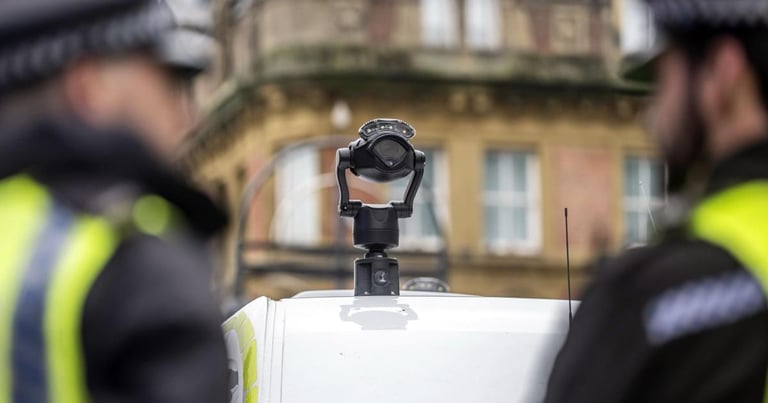


A six-month live facial recognition (LFR) pilot in Croydon, London, led to the arrest of more than 170 offenders and contributed to an overall crime decline, including a 10.5% drop and a 21% fall in violence against women and girls, according to Metropolitan Police results covering October 2025 to March 2026.
Notable arrests included a 41-year-old man wanted for rape and a 36-year-old woman wanted for failing to appear at court for a 2004 assault, among others linked to kidnapping and serious sexual offences.
Static cameras mounted on Croydon High Street were used for the first time in the trial to identify suspects involved in offences such as kidnap, rape and serious sexual assault.
The government has expanded LFR use across more forces, and a High Court privacy challenge against the Met’s London use of LFR was defeated, reinforcing police position that LFR is effective when applied transparently.
The article outlines broader context on future deployments and policy considerations, including potential access to national passport and driver’s license databases for policing use.
Croydon fixed cameras were permanently installed on lampposts, operated remotely, and activated during defined operational hours, with the aim of freeing up LFR vans for broader deployment while maintaining oversight and accuracy.
Local engagement was part of the pilot, including public briefings on safeguards, deployment criteria, and how practices are shaped by local intelligence.
Lawyers argued that facial recognition data is akin to a DNA profile and warned against permanent installations; however, the High Court ruled the policy provides adequate indication of use and foreseeable consequences.
Metropolitan police lead for LFR stated the technology is a powerful tool when used carefully and openly, contributing to crime reduction and targeted policing.
Chiswick emphasized that LFR helps locate people wanted by the courts, identify serious offenders quickly, and allocate resources where they have the biggest impact, with static Croydon cameras continuing as part of regular deployments.
The system used NEC Neoface technology and scanned about 470,000 faces, deleting images if there was no match, with only one false alert and no wrongful arrests reported.
The operation also resulted in 37 arrests for breaches of court-imposed conditions, illustrating LFR’s role in enforcing public safety restrictions.
Summary based on 10 sources
Get a daily email with more World News stories
Sources
The Independent • May 12, 2026
Woman wanted for 22 years over assault arrested in live facial recognition trial
The Times • May 12, 2026
Met facial recognition pilot cuts violence against women
Daily Express • May 13, 2026
Big Brother cop camera leads to nearly 200 arrests in crime-ridden UK town
Evening Standard • May 12, 2026
Woman wanted for more than 20 years arrested in live facial recognition pilot