China to Buy 200 Boeing Jets, Seeks Extended Tariff Truce with U.S. After Xi-Trump Summit
May 20, 2026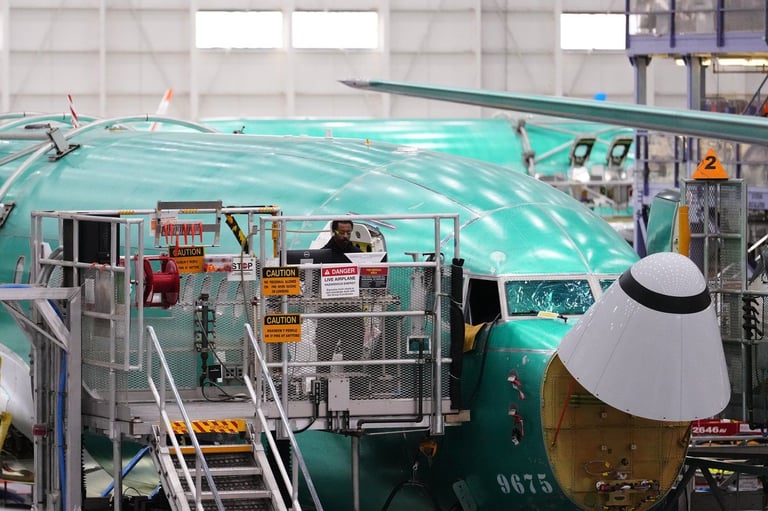


China plans to purchase 200 Boeing aircraft and seeks an extension of the U.S.-China tariff truce, signaling a move to stabilize strained economic ties after a high-level Xi-Trump summit.
The Kuala Lumpur agreement pauses Beijing's restrictions on rare earth minerals and magnets and lays out a framework for ongoing trade concessions between Washington and Beijing.
Both sides aim to negotiate reciprocal tariff reductions on at least $30 billion in goods, with U.S. tariffs on Chinese exports capped at or below Kuala Lumpur framework levels.
Details on rare earths supply were minimal in the statement, with both sides pledging to study and address legitimate concerns.
The reporting team and editors noted in sourcing this story, reflecting the ongoing coverage of Sino-American trade diplomacy.
Markets will monitor possible expansion of cooperation into technology, energy, and agricultural trade beyond the current framework.
The discussions followed the summit talks, aiming to stabilize and expand bilateral trade and provide a reference point for global openness amid broader geopolitical uncertainty.
Officials say the arrangement, once implemented, would stabilize and expand bilateral trade and serve as a reference point for global open cooperation.
Images from Reuters at Shanghai's Yangshan Port underscore the focus on trade and shipping dynamics in the bilateral dialogue.
Analysts are optimistic about global growth prospects in 2026 in light of the evolving U.S.-China trade stance.
Economic and trade teams from both countries will stay in close contact, finalize arrangements, and push for rapid implementation.
The framework is intended to prevent renewed escalation and mitigate disruptions to global supply chains and key sectors like aviation.
Summary based on 19 sources