Six First Nations Launch Indigenous-Led Marine Conservation Area on BC's Central Coast
May 22, 2026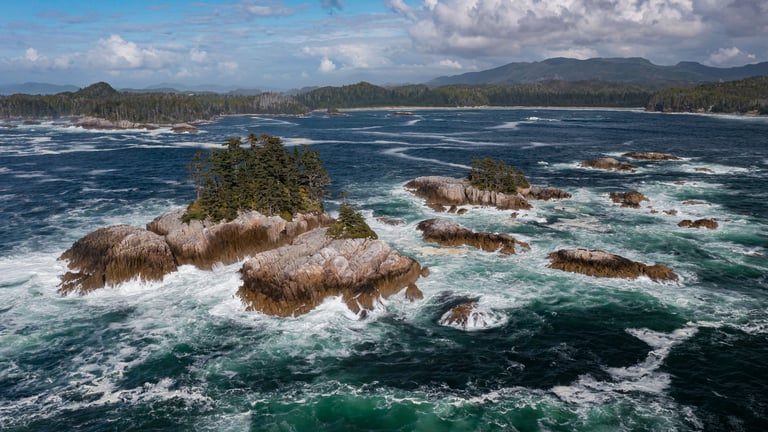


Establishment under the Canada National Marine Conservation Areas Act will unfold over several years, including forming a collective management board and a zoning plan that accommodates fishing and tourism while protecting ecosystems.
The area is designated simultaneously as an Indigenous Protected and Conserved Area, reflecting Indigenous governance and a collaboration with Canada and British Columbia.
The six Nations designate the reserve as an IPCA to enable Indigenous stewardship within conservation efforts.
Officials describe a balanced approach: conservation strengthens ecosystems and economies, with ongoing consultation to set boundaries and governance—part of a shift away from colonial conservation models.
Next steps involve creating a collaborative management board and an advisory committee representing various marine sectors to shape a zoning plan that balances multiple uses with ecological protection.
Community and Indigenous leaders frame the milestone as a continuation of generations of stewardship and a path toward long-term sustainability benefiting local communities, Canada, and the wider world.
Ottawa’s $3.8 billion nature strategy backs the initiative as the first of up to 10 commitments to protect 30% of Canada’s marine areas by 2030, aligning with Indigenous-led co-management and protections against practices like bottom trawling.
The plan seeks to conserve biodiversity, support coastal communities, and potentially foster sustainable ecotourism, drawing on models like Gwaii Haanas.
Fisheries management will continue under Fisheries Department rules, allowing most fisheries with a prohibition on bottom trawling to balance conservation with livelihoods and coastal communities.
Six First Nations — Wuikinuxv, Nuxalk, Kitasoo Xai'xais, Heiltsuk, Gitxaaɫa, and Gitga'at — jointly establish Mia-yaltwa Ha'lidzogm hoon, a National Marine Conservation Area Reserve on the Central Coast of British Columbia.
Experts note national marine protection targets are still below interim goals, yet this Indigenous-led agreement marks a significant advance in marine stewardship.
A management planning process will determine zoning; Fisheries and Oceans Canada retains fisheries regulatory authority while a multi-stakeholder advisory committee guides local implementation.
Summary based on 4 sources
Get a daily email with more World News stories
Sources

The Globe and Mail • May 22, 2026
B.C., First Nations, Ottawa sign agreement to create ‘Realm of the Salmon’ coastal reserve
Canada's National Observer • May 22, 2026
Great Bear Sea waters move closer to federal protection