India Rejects EU-Pakistan Statement on Kashmir, Asserts Sovereignty Amid China-Pakistan Ties
June 3, 2026

Note: this item is part of an auto-generated syndicate wire feed and has not been edited beyond the headline.
India formally rejected the EU-Pakistan joint statement’s reference to Jammu and Kashmir, asserting that J&K and Ladakh are integral parts of India and urging outsiders without a stake to refrain from commenting.
The MEA dismissed mentions of trans-boundary water cooperation between China and Pakistan as untenable, noting the two countries do not share a direct boundary.
Jaiswal cautioned that certain CPEC projects may lie within India’s sovereign territory and stressed that India does not recognise the 1963 boundary agreement between Pakistan and China.
The context includes EU foreign policy chief Kaja Kallas’s visit to Islamabad to discuss regional issues, as part of broader India-EU ties and efforts toward a bilateral free trade agreement.
The backdrop features historical India-Pakistan Kashmir conflicts, a recent cross-border incident with Pakistan, and prior EU-India trade relations, including a January trade deal described by the EU as significant.
The joint statement followed meetings in Beijing between Chinese President Xi Jinping and Pakistani Prime Minister Shehbaz Sharif, signaling closer China-Pakistan collaboration and support for CPEC.
Pakistan’s prime minister’s visit to China involved briefing Beijing on Jammu and Kashmir as a historical dispute to be resolved through UN resolutions and bilateral agreements, a view China endorsed as requiring a peaceful settlement.
The episode underscores Kashmir as a major geopolitical flashpoint, with rising China–Pakistan cooperation and ongoing friction between New Delhi and its neighbours.
India continues to limit external mediation or commentary on its internal affairs while actively engaging the EU on trade and strategic dialogues.
Historically, India and Pakistan have fought several wars over Kashmir; recent tensions include a Pakistani visit by Polish Deputy Prime Minister cited by India as a concern about terrorism and external meddling.
New Delhi reiterated that its position is well known to China and Pakistan and that it has conveyed concerns to authorities in both countries on multiple occasions.
Summary based on 7 sources
Get a daily email with more World News stories
Sources
The Times Of India • Jun 3, 2026
India rebukes EU & Pak over J&K reference in joint statement
Economic Times • May 26, 2026
India rejects China-Pakistan remarks on J&K, calls Kashmir & Ladakh 'integral parts' of country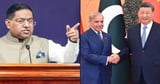
Dailyhunt • May 27, 2026
India Opposes China-Pak Joint Statement References To Jammu And Kashmir
ABPLive • Jun 2, 2026
EU, China Mention J&K; India Hits Back, Says No One Has Locus Standi