China's 2026 Threat Outlook: Taiwan Tensions, South China Sea Volatility, and Global Economic Risks
July 7, 2026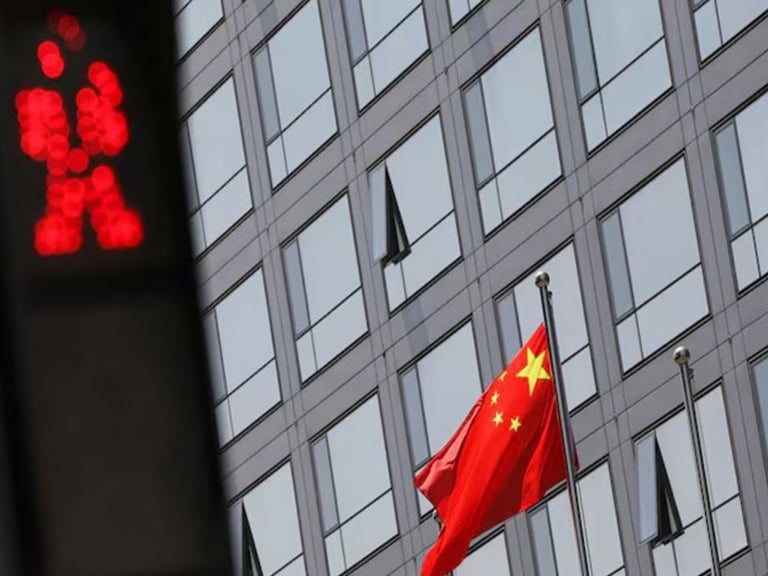

Spillovers from the Russia–Ukraine conflict could shift U.S. and Russian behavior post‑conflict, altering China’s strategic position and dependencies.
Global economic and financial volatility looms, with risks to China’s trade and finance from a downturn, currency and commodity dynamics, and potential tariffs on Chinese exports.
A weaker U.S. dollar narrative and tariff threats could threaten China’s trade balance and provoke political backlash against state‑subsidized exports.
China’s 2026 threat assessment, as outlined by Tsinghua University’s ISSC, flags Taiwan, Japan, the China–US tech decoupling, and the South China Sea as its top external risks.
Taiwan-related risks center on continued independence activity, U.S. arms sales to Taipei, and Japan’s growing involvement, with concerns about third‑party cyberattacks and the danger of entrapment escalating tensions.
China’s foremost security concern is Taiwan, driven by independence efforts, arms sales to Taiwan, and Japan’s expanded role, with potential for unintended escalations described as third‑party entrapment.
The South China Sea is expected to remain volatile, with minor incidents that could escalate into larger confrontations.
Russia–Ukraine spillovers include scenarios of de‑escalation or escalation that affect Western focus, possibly shifting Russia’s dependence on China and drawing sharper Europe–China criticisms.
The broader spillovers may reallocate resources, redraw Russia’s ties with China, and sustain Western scrutiny of China over its stance on Russia.
Volatility in the global economy also risks pressuring the renminbi and China’s trade surplus amid shifting global demand for exports.
The report emphasizes a broader security challenge landscape beyond traditional battlefield threats, highlighting technology, supply chains, cyber threats, trade, energy security, and geopolitical uncertainty.
Europe’s de‑risking and harder stance toward China, including secularization of economic ties and policy shifts in sectors like energy, materials, and digital trade.
Summary based on 7 sources
Get a daily email with more World News stories
Sources
ANI News • Jul 7, 2026
China perceives threats here, there and everywhere
The Tribune • Jul 7, 2026
China perceives threats here, there and everywhere - The Tribune
Lokmat Times • Jul 7, 2026
China perceives threats here, there and everywhere
LatestLY • Jul 7, 2026
World News | China Perceives Threats Here, There and Everywhere