US Seismologist Detained in China: Espionage Charges Spark Diplomatic Tensions and Human Rights Concerns
July 14, 2026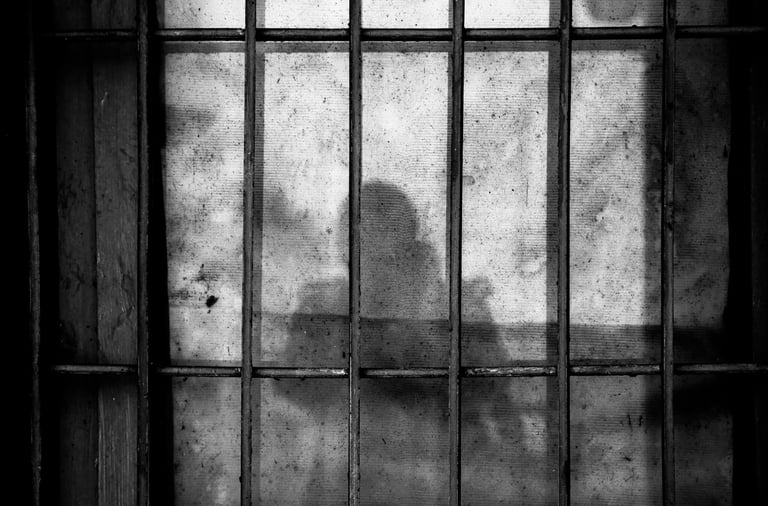

The U.S. government, led by Secretary of State Rubio, deems Chen’s detention wrongful and has made his release a priority in diplomatic discussions.
Rights groups and journalists warn about broad state-secrets powers and retroactive data classification that could affect anyone with public information, including Chen.
Both China and the U.S. are advancing central bank digital currencies, signaling competition over digital finance and cross-border capital controls amid tensions.
Diplomacy and advocacy groups stress the urgent need for Chen’s release and safe return as discussions continue.
Advocacy groups report harsh detention conditions for Chen, including limited medical care for diabetes, weight loss, and poor prison provisions, with restricted access to nutrition and reading time.
The case underscores debates over retroactive state-secrets classifications and potential use of scientific expertise in sensitive areas such as underground nuclear testing.
U.S. embassy staff have visited Chen but are not allowed to discuss the case with him; public information remains limited as officials navigate the diplomatic process.
Analysts note the case as an example of how cross-border detentions can weaponize legal and financial systems, fueling interest in decentralized approaches amid geopolitical risk.
Observers will watch for future diplomatic signals and statements from U.S. and Chinese officials regarding Chen’s status and the visit’s broader implications.
A US seismologist, Youlin Chen, has been detained in China for nearly two years on espionage charges, with his family and the Global Reach NGO confirming the detention.
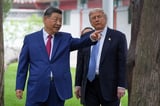
U.S. officials, including a White House source, spoke with Chinese President Xi Jinping during a May visit to Beijing; Xi allegedly promised to review the case, though no public actions have surfaced yet.
The case highlights potential use of China’s state secrets law to classify open-source data as sensitive, which could impact researchers and the academic community.
Summary based on 31 sources
Get a daily email with more World News stories
Sources
AP News • Jul 14, 2026
US scientist has been detained in China since 2024, family says | AP News
Outlook India • Jul 14, 2026
Who Is Youlin Chen? The Seismologist Facing Espionage Charges In China
The Times Of India • Jul 14, 2026
China charges US seismologist who studied North Korea's nuclear tests with espionage
CNN • Jul 15, 2026
US expert on underground nuclear tests held in China for 18 months