India-Japan's Mumbai-Ahmedabad Bullet Train Set for 2027 Launch Amid Signalling Debate
July 17, 2026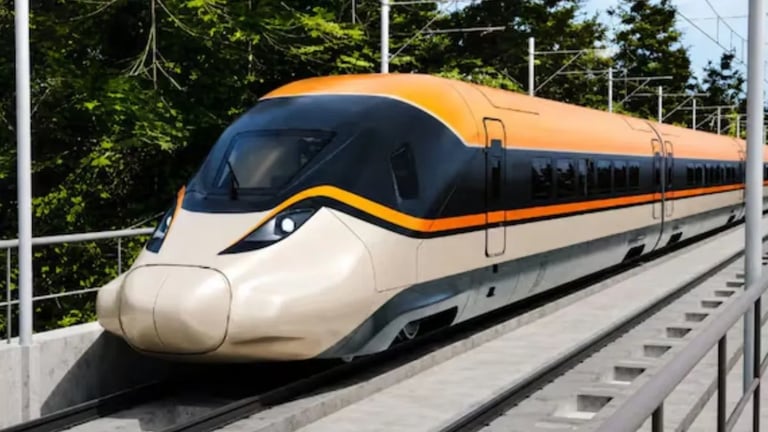

The project uses Japanese Shinkansen technology and is financed with aid from the Japan International Cooperation Agency, with civil infrastructure progressing while signaling and rolling stock are phased in.
The signalling backbone for the early phase relies on the international ETCS-L2 standard, not Japan’s DS-ATC, a point of technical contention that India argues allows earlier opening and future integration of E10.
A central debate is whether replacing the original Shinkansen signalling with ETCS-L2, while awaiting newer rolling stock, optimizes safety and integration or redefines the project blueprint.
India and Japan are moving ahead with the 508-kilometer Mumbai-Ahmedabad High Speed Rail (MAHSR) corridor, with the first section expected to begin operations in 2027 and the initial Surat-to-Vapi service planned for August 2027.
India chose to advance civil works and infrastructure while negotiating rolling stock and signalling upgrades, arguing that continuing with adjusted specifications serves both countries’ interests despite earlier E5 negotiations failing in 2024.
Overall, the plan reflects a sequenced rollout agreed by both sides, testing the feasibility of Indian trains running with international signalling and Shinkansen-style infrastructure before the E10 trains arrive.
Beyond the MAHSR, the government is upgrading hundreds of stations nationwide, including notable redevelopments in Secunderabad, Begumpet, and HITEC City in Telangana.
New Delhi says there was no alternative Japanese offer for trainsets in the interim arrangement, reaffirming the predetermined sequencing.
Indications are that no alternative offer was received and the project sequencing was a joint decision to avoid delaying openings.
The MAHSR corridor will traverse Gujarat, Maharashtra, and Dadra and Nagar Haveli, featuring viaducts, bridges, tunnels, depots, stations, and track work as part of a major modernization push.
Hyderabad is identified as a future hub for several proposed high-speed corridors, including connections to Pune, Bengaluru, Chennai, and Mumbai, signaling broader network expansion.
Despite past delays, current milestones point toward 2027 commercial operations on priority sections and a phased 2030s rollout of E10/Shinkansen-capable technology.
Summary based on 13 sources
Get a daily email with more World News stories
Sources

The Times Of India • Jul 13, 2026
India's first bullet train launch timeline revealed; route, speed, stations and everything we know so far
The Times Of India • Jul 17, 2026
Mumbai-Ahmedabad bullet train update: Progress so far and Japan's E10 plan
India Today • Jul 17, 2026
India to blame for Bullet Train project delay, says former Japanese minister