Nicaragua Halts Elections: Ortega Vows 'Never Again' Amid Critics' Outcry
July 21, 2026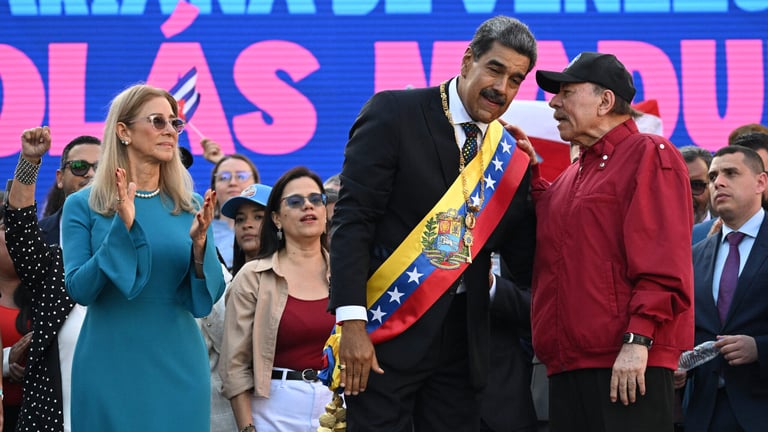

The report frames Ortega’s statement within concerns about the legitimacy of democratic processes amid ongoing opposition activity.
Human rights advocates and legal experts condemn the development as dictatorship-like, noting ongoing repression and at least dozens jailed for political reasons, a figure the government disputes.
U.S. officials, including top diplomats, have long called for free elections, with observers suggesting external pressure could intensify or regional dynamics could shift.
Context includes ongoing reports and interviews about opposition figures and human rights groups monitoring Nicaragua’s political climate.
International and domestic critics—among them the U.N. and human rights groups—say the move weakens democratic institutions and deepens authoritarian rule.
The international response includes U.S. sanctions on officials, with the U.N. rights council accusing the regime of turning Nicaragua into an authoritarian state amid past crackdowns.
Critics, including Secretary of State Marco Rubio, call Ortega’s pledge cowardly and attribute it to fear of the people’s will, noting visa bans and other sanctions previously imposed.
Nicaragua’s president, after celebrating the Sandinista anniversary, announced that elections would be halted to prevent the opposition from ever taking power, signaling a move to consolidate control.
Some opposition figures have been released, but critics say these moves are partial and fail to address rising international scrutiny and democratic erosion.
Ortega, in power since 2007 and now serving a term through 2027 after constitutional changes, declared there will be “never again” elections as part of cementing centralized authority.
The leadership duo of Ortega and his wife Rosario Murillo have long dominated political institutions, with critics noting a two-person rule and family-driven consolidation of power.
Observers note that past elections saw reduced opposition competitiveness and a deadly crackdown on protesters in 2018, raising concerns about political freedoms.
Summary based on 27 sources
Get a daily email with more World News stories
Sources
The Times Of India • Jul 21, 2026
'There won't be any more elections': Nicaragua President Ortega ends hope for democratic vote
Yahoo News • Jul 21, 2026
US warns Nicaragua over plans to eliminate elections
CNN • Jul 21, 2026
Nicaragua’s president rules out future elections | CNN
CNN • Jul 21, 2026
Nicaragua’s president rules out future elections | CNN