UNESCO Honors Normandy D-Day Beaches and Greece's Mount Olympus as World Heritage Sites
July 26, 2026

Commemorations at the D-Day beaches are a regular feature, often drawing world leaders from the United States, Britain, Canada, and France.
Veterans remain present at the D-Day beaches, with leadership gatherings during anniversaries, while UNESCO recognizes broader regional cultural heritage.
The D-Day inscription covers the five Normandy beaches—Utah, Omaha, Gold, Juno, and Sword—and Pointe du Hoc, reflecting the 1944 Allied landings.
The Normandy beaches span over 80 kilometers along France’s northwestern coast, where Allied forces landed on June 6, 1944 to liberate Europe from Nazi occupation.
The site commemorates the Allied invasion on June 6, 1944, a pivotal step in freeing France and Western Europe from Nazism.
Normandy’s regional leadership stresses the responsibility to safeguard, promote, and publicize the site’s value for future generations.
UNESCO has inscribed France’s D-Day landing beaches in Normandy onto its World Heritage List, finalizing a project started nearly two decades ago and highlighting the beaches’ role in liberating Western Europe.
In parallel, UNESCO recognized Mount Olympus in Greece for its biodiversity and mythic significance, underscoring the broader value of cultural and natural heritage.
The World Heritage designation comes as a UNESCO committee meeting in Busan runs through late July, with officials from Greece, Japan, and South Sudan reaffirming commitments to preservation and responsible tourism.
The article emphasizes the historical importance of the D-Day landings and the lasting memory of those events in international history.
Site summaries highlight the D-Day beaches’ historical significance and construction era, alongside other landmarks like Alvar Aalto’s architectural works.
Experts note the Asuka–Fujiwara sites in Japan illustrate early state formation and cultural influence from China and the Korean Peninsula.
Summary based on 10 sources
Get a daily email with more World News stories
Sources

NBC News • Jul 26, 2026
France’s D-Day landing beaches, Greece’s Mount Olympus added to World Heritage List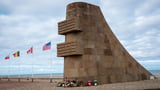
RTÉ • Jul 26, 2026
D-Day beaches inscribed on UNESCO World Heritage List
Free Press Journal • Jul 26, 2026
UNESCO Adds D-Day Beaches, Mount Olympus To World Heritage List
The Philadelphia Inquirer • Jul 26, 2026
UNESCO adds France’s D-Day beaches, Greece’s Mount Olympus. U.S. Okefenokee Swamp to World Heritage List