UN Warns of Worsening Child Malnutrition in Afghanistan Amid Severe Funding Shortfalls
August 4, 2026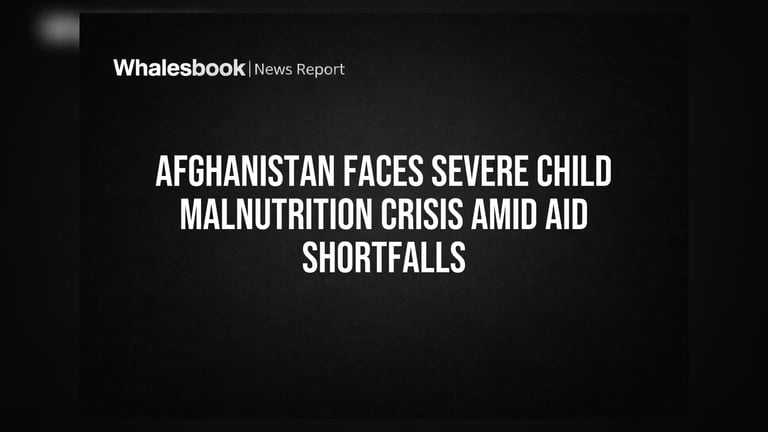

The humanitarian emergency carries potential regional implications for South Asian stability, potentially affecting regional trade corridors and security in neighboring countries.
Funding for food aid has fallen about 59% since 2022 despite rising needs, a drop described by humanitarian leaders as devastating.
The article emphasizes the humanitarian nature of the crisis and notes that it is informational and not a buy/sell recommendation.
Even with a better harvest, ongoing funding gaps and restricted aid erode gains and threaten to surpass prior projections, risking preventable deaths among mothers and children.
Forecasts suggest a good harvest this year, but hunger is not expected to ease if more people need food aid than the system can support.
The United Nations World Food Programme warns that child malnutrition in Afghanistan has reached critical levels in one-third of provinces and is likely to worsen due to funding shortfalls and cuts to food distributions.
Delivery disruptions from regional conflicts and Pakistan’s border closure for nine months have hindered the import of nutrition products, leaving nearly one million malnourished women and children without essential nutrition services for about five months.
UN estimates put Afghanistan’s population at more than 48 million, underscoring the scale of the humanitarian crisis.
The U.S. contributed $800 million to WFP in June to support global food aid, highlighting competing donor priorities amid ongoing crises.
In the past three years, about six million Afghans have returned home, adding pressure to scarce resources amid the hunger crisis.
Funding declines are linked to broader geopolitical and economic factors, including prior reductions in U.S. aid and disruptions to nutrition supply chains from conflicts in the Middle East and Pakistan’s border shutdowns.
Despite an expected harvest, the aid shortfall means more people will go hungry, and millions of Afghans have recently returned from neighboring countries.
Summary based on 12 sources
Get a daily email with more World News stories
Sources

Economic Times • Aug 4, 2026
Afghanistan's malnutrition crisis 'spinning out of control': UN
WSLS 10 • Aug 4, 2026
Afghanistan's child deaths are rising as food distributions face cuts, UN says
ABC News • Aug 5, 2026
Afghanistan's child deaths are rising as food distributions face cuts, UN says