North Korean Women Exploited in Russia: Modern Slavery Under UN's Watch
August 13, 2026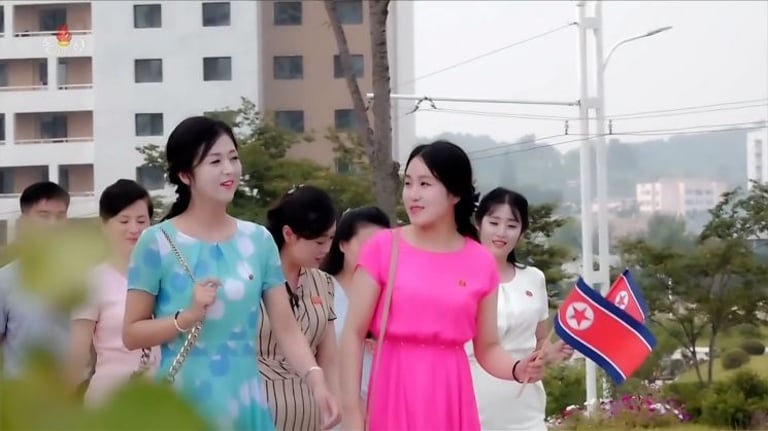

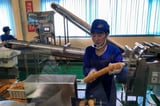
A recruitment ad on Avito offers to supply 40 North Korean women to Moscow region restaurants, textile factories, agriculture, and production lines, with the workers to operate as a single assigned team and project kimbap skills.
The same advertisement specifies the 40 workers would work together across sites in Moscow region, with no splitting among locations.
Analysts compare these abuses to imperial-era forced labor and comfort women, arguing the exploitation is systemic rather than isolated.
Jihyun Park, a North Korean escapee and human security expert, is cited to reinforce the analysis of the labor exploitation.
Labor is organized by North Korea's Office 39 trading bureaus, funneling wages to the regime and reflecting classic modern-slavery elements like isolation, surveillance, and wage theft.
Both Russia and China are seen as enabling these practices despite UN sanctions banning North Korean workers' local income generation.
Working conditions are harsh, with workers reportedly on 11-hour days for 26–28 days each month.
Exposure of North Korea’s human rights abuses and mobilizing international pressure are framed as the most effective path to delegitimizing the regime and addressing the crisis.
In China’s Tumen zone, around 7,000 workers, mostly young unmarried women labeled as “virgins,” are said to labor long hours in textiles, garments, and electronics assembly.
NK News reports about 36,000 educational visas issued to Russia for North Koreans last year, seen as a tactic to bypass sanctions by presenting workers as students.
Reported wages are 480 rubles per hour, potentially totaling up to about 147,840 rubles per month per worker, but brokers and officials are expected to siphon 75–90% of wages.
Workers would be paid for 26–28 days monthly at 11 hours per day, with the high hourly rate, though actual take-home pay is much lower due to intermediaries.
Summary based on 3 sources
Get a daily email with more World News stories
Sources
The Herald Business • Aug 13, 2026
'Can make kimbap': Russian firm's ad for North Korean women workers sparks sanctions concerns - The Herald Business
UPI News • Aug 13, 2026
21st-century forced labor and comfort women - NewsBreak
The Asia Business Daily • Aug 13, 2026
"Who Wants to Hire 40 Skilled Kimbap-Making Women?"... A 'Suspicious Ad' Appears Online - The Asia Business Daily