Ukraine Defense Audits Expose $1.2 Billion in Fraud and Mismanagement for 2024
September 6, 2026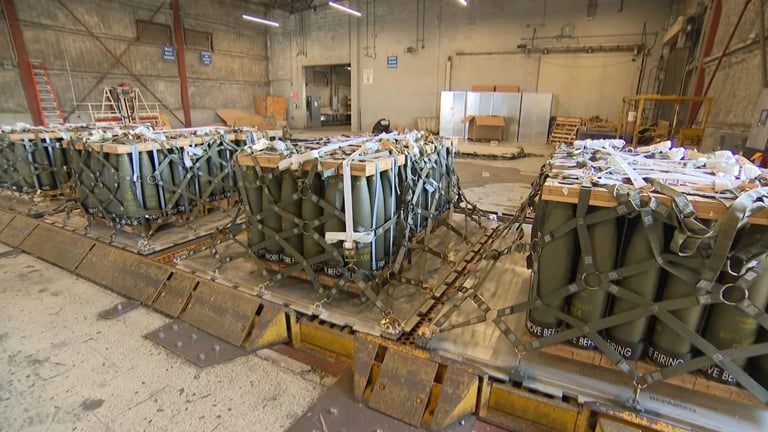

Ukraine’s defense procurement came under sharp scrutiny as auditors and investigative reporting reveal that seven of the ten largest suppliers won new contracts despite prior non-performance, investigations into executives, or unmet agreements by eighteen firms.
Audits and court records cited by major outlets show warnings about corruption, cost overruns, and unfulfilled contracts were ignored, allowing top suppliers to secure fresh state contracts.
There were direct operational consequences, including a rocket explosion in a launch tube that damaged a Ukrainian helicopter and triggered a criminal investigation.
A large Czech intermediary-led missile procurement example illustrates how direct purchases from manufacturers could have been cheaper, yet intermediaries were used.
Regulus Global, led by William Somerindyke Jr., faced pressure to cut intermediaries; the collapse of the direct-access approach contributed to the contract’s failure and rising debt for Spetstechnoexport.
Audits by the State Audit Service and an internal defense ministry department examined 2024–2025 purchases, exposing systemic weaknesses in Ukraine’s military procurement.
At the Pavlohrad Chemical Plant, about 233,000 defective mortar rounds were sold to the army, with its director later detained for fraud, yet the plant continued to win new contracts amid ongoing investigations.
The Pavlohrad plant supplied thousands of shells that sometimes failed in 2024, while production capacity data remained disputed and leadership faced criminal probes.
Auditors noted that while arms companies profited from the war, the government bore the costs of mismanagement and ineffective procurement, weakening weapon and ammunition availability.
A contentious $100 million+ advance payments dispute and a Turkish-made missile case show multiple bids were possible, but Ukraine chose a pricier intermediary option, costing about $130 million more.
Patterns emerge of overpaying for weapons, reliance on intermediaries with markups, and awarding contracts to firms with delivery failures or corruption charges.
A case of 70-millimeter unguided rockets ordered via a broker from Turkey lacked verified delivery volumes and testing, resulting in a launched rocket failure that damaged a Mi-8 helicopter.
Summary based on 5 sources
Get a daily email with more World News stories
Sources

RBC-Ukraine • Sep 7, 2026
Ukraine lost nearly $1.2 billion: NYT reveals major defense spending problems
Business Standard • Sep 7, 2026
4 things that secret audits reveal about Ukraine's military spending
news.by • Sep 6, 2026
NYT: Ukraine Lost $1.2 Billion Due to Corruption in Arms Procurement