Bipartisan Bill Targets Russia with Expanded Sanctions, Set for House Approval
September 15, 2026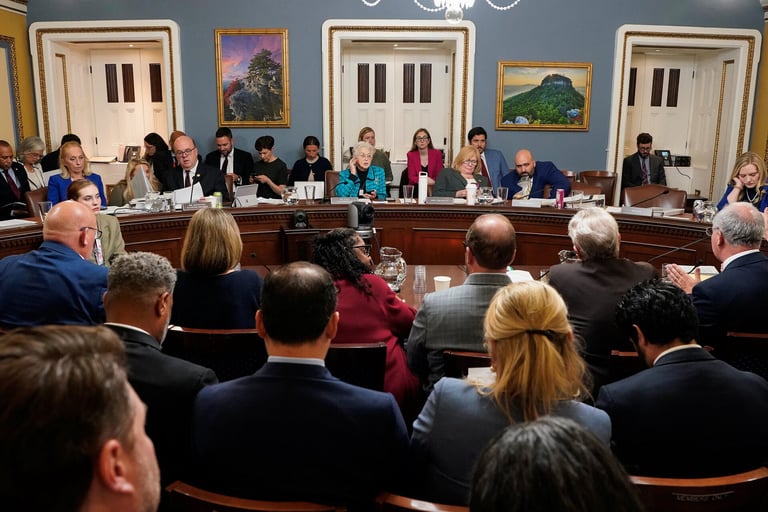

A bipartisan bill advanced by the House would empower the President to impose up to 100% tariffs on countries still buying Russian oil and gas and would extend the Iran Sanctions Act for five years, targeting Moscow’s sanctions-evading activities.
The package aims to tighten pressure on Russia by expanding sanctions to its energy trade, potentially reducing revenue that funds Moscow’s war effort, while India seeks energy security and diversification of suppliers.
The Lindsey O. Graham Sanctioning Russia and Iran Act of 2026 moved through the House toward a final vote, setting up a path to a potential stand-alone signing resolution.
Context for the bill includes fundraising disclosures related to McCaul for the second quarter of 2026, with figures drawn from FEC filings and Quiver Quantitative.
With a seven-week recess starting on Sept. 17, Speaker Mike Johnson indicated the bill could be fast-tracked under a suspension of the rules.
Some Democratic opponents worry about broad tariff powers and have proposed amendments to limit or modify the tariff authority.
The legislative arc traces back to an April 2025 introduction, administration negotiations in mid-2025, Kyiv consensus in 2026, and Senate passage by an 86–11 margin in August 2026.
The bill enjoys bipartisan support and has been backed in the Senate by figures associated with the late Lindsey Graham, according to media reports.
Proponents frame the policy as “peace through strength,” combining economic pressure with enhanced US and allied military capabilities rather than pursuing war.
McCaul argues the legislation addresses U.S. and allied security concerns amid the Ukraine war and shifting global alignments, highlighting bipartisan Senate approval as justification for continued action.
Next steps include a final House vote before recess and then submission to the President; the final text will define whether India remains covered and the precise scope of the authority.
The Red Sea region is highlighted as critical for commerce and shipping, with Houthi attacks cited as evidence of ongoing risks to international trade and U.S. forces.
Summary based on 6 sources
Get a daily email with more World News stories
Sources


Syrian Arab News Agency (SANA) • Sep 15, 2026
US House panel advances Russia sanctions bill
QuiverQuant • Sep 15, 2026
Press Release: Michael McCaul Backs Russia and Iran Sanctions Bill at House Rules Hearing