AI Boom Drives $50 Trillion Surge in Global Data Center Investments by 2050
September 17, 2026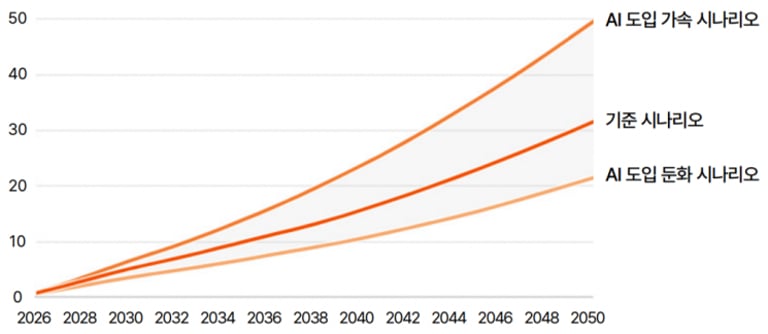


The piece centers on the growing power demands of AI data centers and the substantial financial and regulatory risks tied to electricity delivery for large-scale computing facilities.
Forecasts show regional capacity growth in 2026, with Thailand jumping to about 550MW, Malaysia to 1.6GW, and Indonesia to 1.1GW, each up roughly 50% year over year amid ongoing supply constraints.
Power availability may lag because construction, interconnections, and critical infrastructure must be built first, delaying operational campuses and related revenue.
The white paper authors from HKA—Jorge Berrios, Scott Hollingsworth, and Daniel Kwon—underscore how regulatory, supply-chain, and performance-design changes can cause schedule slips and cost overruns.
PwC's Global Data Centre Outlook 2026 covers 46 countries and territories and was released on September 1, highlighting regional dynamics shaping the sector.
Regulatory and regional dynamics are cited, including Texas interconnection delays due to congestion and cross-border site planning in states like Tennessee and Mississippi to optimize permitting and logistics.
Contracts are examined for timing promises versus capacity commitments, conditions precedent, third-party dependencies, and the difference between estimates and legally binding obligations.
Ongoing risk management advice emphasizes regularly revisiting power dates, manufacturing slots, planning conditions, specialist resources, and design flexibility to stay competitive.
FERC actions in mid-2026 (RM26-4) focus on cost allocation and tariff reforms for large loads, potentially reshaping who pays for grid upgrades when anticipated loads don’t materialize.
Continued FERC proceedings address cost responsibility, curtailment, and applicability to projects under review, signaling a evolving regulatory landscape for large interconnections.
The regulatory moves aim to ensure large-load customers bear appropriate infrastructure costs and address scenarios where expected loads are not realized.
Negotiators are advised to clearly articulate assumptions on power availability, timing, and infrastructure costs, and to allocate risks and remedies for delays or regulatory shifts.
Summary based on 16 sources
Get a daily email with more World News stories
Sources

The Herald Business • Sep 17, 2026
Global AI infrastructure race shifts from site acquisition to power and supply chains - The Herald Business
The Asia Business Daily • Sep 17, 2026
Samil PwC: "AI Infrastructure Competition Shifts to Power and Supply Chain Era" - The Asia Business Daily