US-Saudi Nuclear Deal: A New Era of Middle East Energy and Security Cooperation
September 18, 2026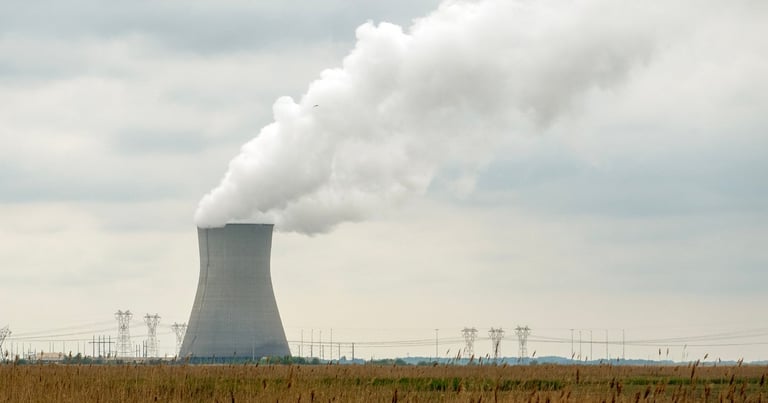

The United States has approved a landmark civil nuclear cooperation with Saudi Arabia, enabling Riyadh to develop its own uranium resources and potentially fuel a domestic nuclear program, with initial discussions commencing in early 2025 between U.S. Energy Secretary Chris Wright and Saudi Energy Minister Prince Abdulaziz bin Salman.
Analysts see these moves as part of a broader expansion of the Abraham Accords spirit, extending Gulf-Israel-US-security cooperation beyond direct normalization to a regional framework.
Saudi plans call for leveraging existing oil and energy infrastructure to support a nuclear power program, including the integration of gigawatt-scale APR-1400 reactors from Korea Electric Power Corporation by the early 2030s as part of energy diversification amid population growth.
A shifting regional alliance is emerging as Saudi Arabia engages with Israel, the United States, and other Arab partners to pursue a coordinated approach to Iran and its Houthi proxies, signaling a significant policy realignment.
The wider geopolitical backdrop includes Houthi attacks on Saudi targets affecting oil flows, while growing Gulf-Israel cooperation and broader Arab-US ties point to a realignment aimed at stabilizing regional energy markets.
Saudi Arabia has mapped substantial uranium and rare-earth resources near Medina, including a sizable ore deposit rich in rare-earth elements, which could underpin energy diversification and strengthen the nuclear-deal timeline.
Saudi Vision 2030 continues to push diversification, industrialization, and a resilient minerals supply chain, aligning with US cooperation on minerals processing and uranium production.
Summary based on 1 source
Get a daily email with more World News stories
Source
Townhall • Sep 17, 2026
US-Saudi Nuclear Deal Signals a Greater Policy Shift