US Enhances Pacific Defense with Advanced Missile Network to Counter China
October 3, 2026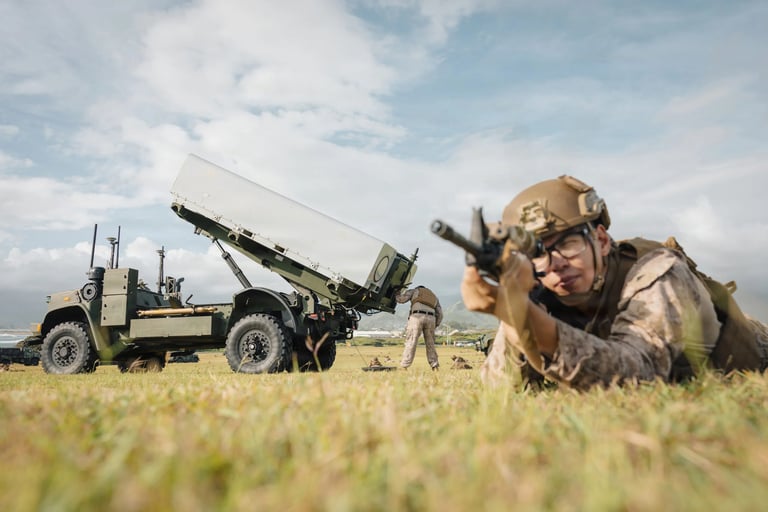

The United States is expanding multi-layered defenses in the Western Pacific with a network of unmanned systems, coastal defense missiles, and long-range Tomahawk/SM-6 capabilities to cover strategic waterways.
A deterrence-by-denial posture is being pursued in the Indo-Pacific, centered on forward-deployed area denial and anti-access capabilities along the First Island Chain as outlined in the 2026 National Defense Strategy update to the Senate Armed Services Committee.
The effort includes hardened command and control, resilient logistics, and deep magazine depth, coupled with a high-low munition strategy that blends high-end systems with rapidly producible munitions to sustain area denial in contested environments.
Policy officials emphasize force development and budget priorities that sustain conventional capabilities for deterrence by denial, including ground-based mobile launchers, stand-in forces, naval mines, and persistent air power.
The defense strategy notes expanded industrial base efforts and missile procurement, highlighted by a contract for more than 1,900 Standard Missile 6 missiles valued up to $24 billion to bolster production and stockpiles for deterrence operations.
There is a strategic shift away from reliance on vast blue-water fleets toward technologies and tactics that counter high-end Chinese capabilities, embracing area-denial approaches reminiscent of PLA Navy strategies.
Recent operations show a move toward dispersed, long-range, multi-domain maritime strikes, with Marine missileers deploying anti-ship missiles in Philippine and Japanese territories and U.S. Air Force bombers testing maritime strike capabilities in the region.
Summary based on 1 source
Get a daily email with more World News stories
Source

USNI News • Oct 2, 2026
Pentagon Doubles Down on Pacific Area Denial, Need for High-end Munitions - USNI News