Afghanistan Hunger Crisis: 19 Million Face Acute Malnutrition as Aid Shortfalls Worsen
October 15, 2026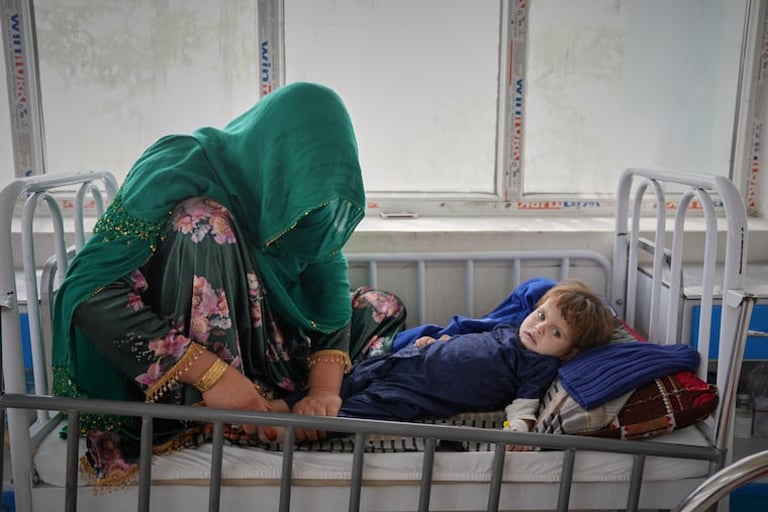

Nearly 40% of Afghans, about 19 million people, are expected to face acute hunger in the coming months, with 5.3 million women and children needing treatment for acute malnutrition next year, as the humanitarian crisis deepens.
The United Nations warns that Afghanistan’s humanitarian situation is deteriorating, with life-threatening malnutrition among children rising as a critical concern.
Severe acute malnutrition is projected to affect about 1.09 million children in 2027 (up 16% from 2026), while nearly 3 million children are expected to experience moderate acute malnutrition; around 1.3 million pregnant or breastfeeding women are also at risk.
Cross-border disruptions are limiting essential nutrition supplies and delaying access to life-saving commodities, intensifying the response burden.
Funding shortfalls are dramatic and severely limiting humanitarian aid, with unemployment and high prices worsening the crisis; urgent funding is needed to reach vulnerable families before cold weather impedes access.
Key voices emphasize the need for sustained, predictable investment to maintain nutrition, health, and WASH services, enabling early detection, commodity availability, and treatment.
The crisis is driven by decades of war, border closures with Pakistan reducing trade, a large influx of refugees, natural disasters, and a sharp decline in international aid following the Taliban takeover in 2021.
Experts describe the situation as an international scandal, noting that response is hindered more by funding gaps than lack of need, threatening long-term health and development.
Officials say progress hinges on preventive actions to keep children from becoming severely malnourished, with immediate funding to sustain life-saving services and address underlying drivers.
Personal stories, like Malika and Zarmina, illustrate families facing poverty, unemployment, and insufficient nutrition due to aid shortfalls.
Factors include reduced access to nutritious food and safe water, with only one in three children aged 6-24 months receiving the right foods; recurrent outbreaks and water issues exacerbate risk.
Funding cuts to humanitarian programs, including U.S. aid, have drastically reduced food distributions; the World Food Programme is operating at a fraction of previous funding and turning away many acutely malnourished women and children at clinics.
Summary based on 3 sources
Get a daily email with more World News stories
Sources
The Philadelphia Inquirer • Oct 15, 2026
Malnutrition stalks the most vulnerable in Afghanistan as aid cuts leave millions helpless
Action contre la Faim • Oct 15, 2026
Afghanistan to face sharp rise in acute malnutrition in 2027 - Action contre la Faim