Tensions Escalate in Strait of Hormuz: Iran and U.S. Face Off, Global Oil Markets on Edge
October 15, 2026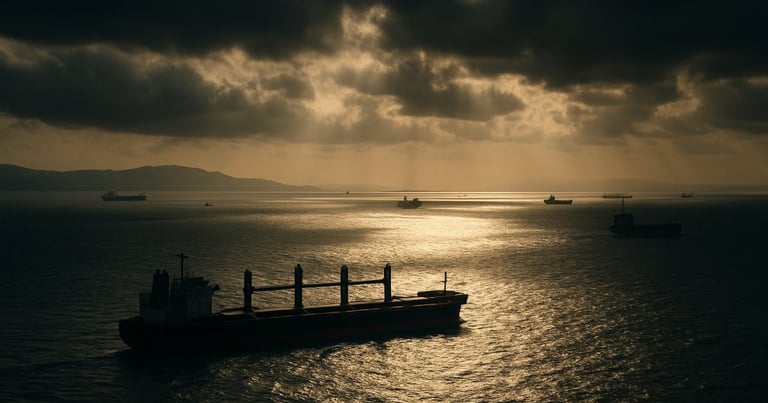

The renewed Yemen conflict around Taiz, Mocha and Bab al-Mandab has escalated into a multi-front security crisis that ties Saudi territorial security and regional shipping routes to Iran’s influence and Yemen’s political fragmentation, with implications for Europe’s access between the Mediterranean and Indian Ocean.
Iran states it does not seek an endless war but remains firm against U.S. policies amid heightened military activity.
These comments were made during a cabinet session chaired by Crown Prince Mohammed bin Salman on October 13.
Saudi Arabia vows that Iran-backed Houthi attacks on airports, holy cities, and economic facilities will face consequences.
The government warned the Houthis will face consequences for attacks on Makkah, Madinah, and civilian and economic infrastructure.
Kenyan diaspora considerations suggest instability in the Gulf could affect remittances, investments, and living costs in Kenya due to potential fuel price fluctuations and market volatility.
Diplomatic channels are strained as regional pressure grows, with military commanders preparing for an extended period of instability.
Saudi Arabia emphasizes safeguarding its territorial integrity and critical shipping routes amid regional tensions.
The Cabinet highlighted Coalition to Support Legitimacy in Yemen operations aimed at neutralizing the Houthis, protecting Yemenis, global peace, and the flow of commerce.
Netanyahu thanks the U.S. President for endorsement for re-election, reflecting domestic political dynamics affecting regional policy.
Both Iran and the United States signal readiness for further action as the international community monitors spillover effects on global security and economy.
The Strait of Hormuz handles about one-fifth of global oil shipments, underscoring potential impacts on energy markets and trade.
Summary based on 6 sources