Bangladeshi PM Visits Japan to Strengthen Economic and Strategic Ties with High-Level Talks and Partnership Initiatives
October 24, 2026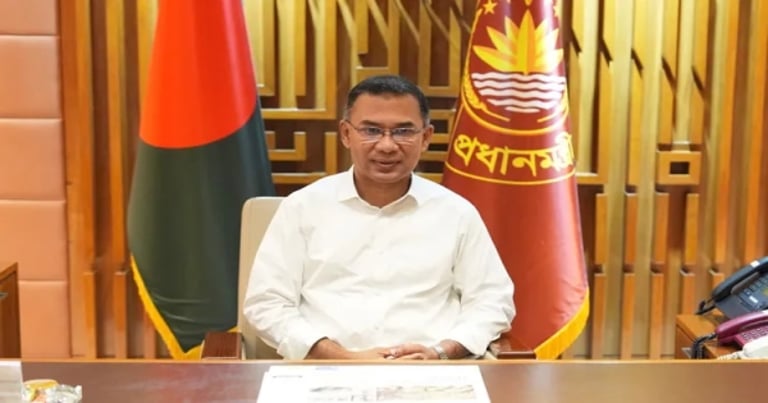

The Bangladeshi Prime Minister Tarique Rahman is undertaking a four-day official visit to Japan at the invitation of Japanese Prime Minister Sanae Takaichi, with high-level talks, meetings with business leaders, and participation in the Bangladesh-Japan Economic Forum.
Agenda focuses on implementing the Bangladesh-Japan Economic Partnership Agreement signed in February 2026 and potential MoUs spanning agriculture, fisheries, human resource development, skills, civil aviation, trade, environmental conservation, and local government modernization.
Japan aims to deepen strategic partnership, regional peace and security cooperation, and support Bangladesh’s development through better investment climate, infrastructure collaboration, and capacity building.
Bangladesh’s Bay of Bengal position is viewed as an opportunity to expand mutually beneficial trade systems, domesticize benefits through local procurement, and diversify financing and technology sources to boost resilience.
Lessons from the garment sector’s expansion with Daewoo in the late 1970s underscore that sustainable gains come from learning by people and institutions and retaining skilled workers after project completion.
Infrastructure talks center on integrating Matarbari Port with roads, railways, warehouses, customs, and industrial zones, plus digital customs, risk-based inspections, and reducing costs and timelines, while carefully weighing loan terms and maintenance costs.
Human resource cooperation envisions aligning the 2019 skilled workers framework with employer needs, including joint curricula, clear contracts, cost transparency, anti-mediation safeguards, grievance resolution, and ensuring skill development accompanies growing employment.
Administrative reliability and a timely investor grievance and issue-resolution system are seen as prerequisites to improve predictability in approvals, tariffs, and financial transactions for both foreign and domestic business.
The initiatives are framed as part of an integrated East Asia strategy combining China’s industrial base, Japan’s technology, and South Korea’s production experience with Bangladesh’s priorities, maintaining strategic autonomy and mutually beneficial procurement, information security, and infrastructure oversight.
Environment and energy cooperation could leverage the February 2026 memorandum to pursue energy efficiency, waste management, rooftop solar, and disaster preparedness, selecting initiatives based on local capacity and long-term operating costs.
Long-term goals include enriching Bangladesh’s production and knowledge base, enabling training in Japanese institutions, joint factory creation, and pathways for returning workers to become entrepreneurs, with recognition of qualifications and a supportive research and investment environment to spread skills domestically.
Maritime security and the blue economy are identified as key future cooperation areas amid rising Bay of Bengal and Indian Ocean competition, with efforts to boost maritime security, technology transfer, and sustainable development.
Summary based on 9 sources
Get a daily email with more World News stories
Sources


The Financial Express
Bilateral relations await yet another boost
https://www.justnewsbd.com/en • Oct 26, 2026
PM off to Japan on four-day official visit
Bangladesh Post
PM to leave for Japan tonight on four-day official visit