Afghanistan Crisis Deepens: Malnourished Children Suffer Amid Policy Failures and Funding Shortfalls
October 29, 2026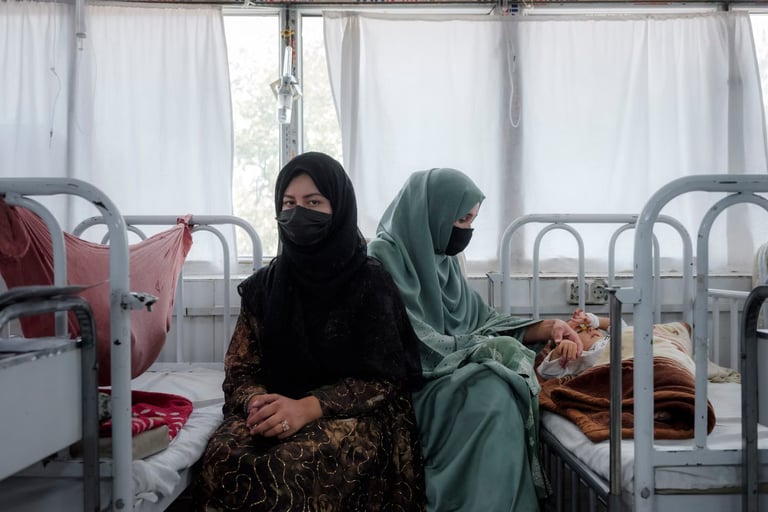

The humanitarian hunger crisis in Afghanistan is one of the world's gravest, with acute malnutrition among children rising as aid groups warn of increasing numbers of malnourished girls and boys.
A Le Monde report describes a worsening crisis driven by Taliban policies and a collapse in international funding, noting severe child malnutrition and reduced access to healthcare.
The United Nations warns the winter may bring a deepening hunger crisis as shortages and prices bite households.
Medical staff say capacity is stretched and resources are scarce, preventing them from admitting more moderate cases or providing broader care even in normal times.
Fatema, a 25-year-old mother of five, travels from Logar to Kabul seeking care as her family survives on about five dollars a day, with a diet of potatoes and okra and no meat.
Food prices for staples like rice, beans, and flour have surged, and wages for unskilled labor are very low, limiting affordability.
On the ground, families report dire cases, including 2-year-old Zarmina weighing only 5 kilograms with septic shock and an 80-90% mortality risk cited by medical teams.
Families are cutting meals and turning to cheaper, less nutritious options as winter nears, while heating costs add to the burden.
First-person stories reveal the emotional toll and fear in households as parents struggle to provide for their children.
Experts urge immediate actions: food assistance, protecting livestock, supporting farmers, ensuring basic health, nutrition and water services, and timely planting windows.
Cuts to treatments and clinic closures could mean children lose access to food and essential care as circumstances worsen.
Imran Ullah, a refugee-turned-soup-seller in Kabul, embodies displacement and economic struggle while hoping for a better future for his children.
Summary based on 3 sources