Japan’s Price-Sensitive Shoppers Squeeze Businesses as Costs Surge
November 8, 2026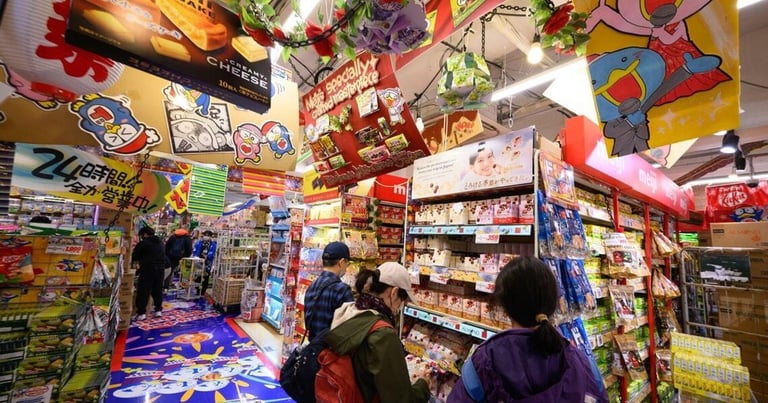

Japan’s companies are struggling to pass rising costs on to consumers, who remain wary of price increases after decades of deflation.
That resistance is colliding with pressure on household budgets: higher grocery bills are leaving people with less to spend on dining out and clothing, while businesses face rising labor and material costs.
Tokyo office worker Kazuhiko Sato said he is buying more imported food and eating out less because domestic products have become so expensive.
The backlash has been visible at major chains: Uniqlo reversed a proposed increase to the price of its basic socks, while Saizeriya apologized for adding ¥20 to its signature Milanese Doria.
Saizeriya described the Doria increase as evidence of its “lack of effort,” underscoring how sensitive customers remain to even small price rises.
Saizeriya’s president said the chain would look for opportunities to lower prices again, and it kept its 100-yen wine unchanged so customers could continue to enjoy it casually.
Smaller businesses, especially in rural areas, can be even more reluctant to raise prices because they rely on loyal regulars; Sachi, a ramen-shop owner in Okayama, said she would rather absorb higher costs than risk burdening them.
The inflationary pressures followed the 2022 energy shock after Russia’s invasion of Ukraine and later disruption to Middle Eastern oil supplies through the Strait of Hormuz; the Bank of Japan has raised interest rates to their highest level in more than 30 years.
Although real wages have risen year-on-year for eight consecutive months, University of Tokyo economist Tsutomu Watanabe said pay gains remain inadequate and do not benefit everyone.
Unlike in other Group of Seven economies, where stronger wage growth has helped sustain spending, Japan’s consumer spending remains weak and customers continue to constrain companies’ pricing power.
Watanabe said it could take another three to four years for consumers to accept persistent inflation as normal.
Summary based on 10 sources
Get a daily email with more World News stories
Sources

South China Morning Post • Nov 8, 2026
Why raising prices in Japan amid ‘insanely high’ inflation backfires on firms
The Straits Times • Nov 8, 2026
‘Feeling guilty’: Price hikes a tough sell in Japan despite inflation

The Japan Times • Nov 9, 2026
‘Feeling guilty’: price hikes a tough sell in Japan despite inflation