NATO Debates Ukraine’s Future as Russian Missiles Crash in Poland
November 23, 2026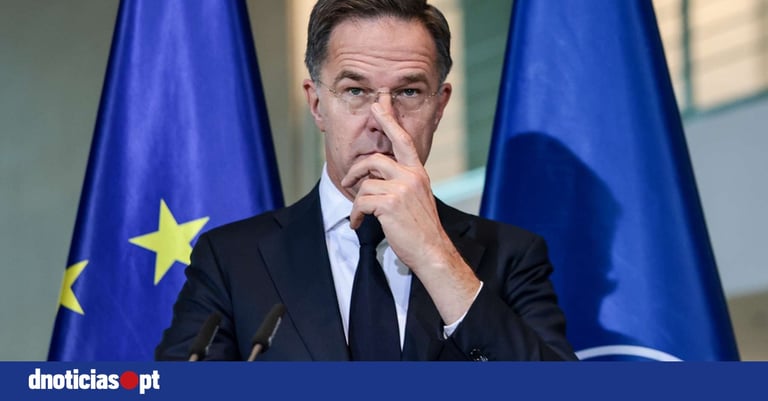

NATO Secretary-General Mark Rutte said Ukraine could join NATO one day, but there is currently no unanimity among member states; he stressed that only the allies can decide who joins.
German Chancellor Friedrich Merz called the 2008 decision not to admit Ukraine a mistake, arguing that membership might have prevented the war.
As allies consider Ukraine’s future, Merz said robust postwar security guarantees should come close to NATO membership and resemble the alliance’s Article 5 protections.
Volodymyr Zelensky asked allies to spell out which countries would defend Ukraine if it were attacked again, what support or forces they would provide, what the guarantees would cost and whether they would work.
Merz also framed those guarantees as a security interest for Europe as a whole, while Zelensky said Ukraine’s army capabilities should help secure its path toward NATO and strengthen the alliance.
Rutte praised the United States’ effort to engage Russia and include European representatives in future talks, but said NATO’s military posture would not be negotiable and the allies alone would determine the alliance’s position.
Donald Trump said he would not discuss U.S. security guarantees for Ukraine without an agreement with Russia; separately, the Financial Times reported that Washington urged Kyiv to reach a peace agreement by early January.
Zelenskyy said Russian forces attacked 20 Ukrainian regions in one week with about 2,700 drones, nearly 1,460 guided bombs and 165 missiles and cruise missiles, and urged the United States to approve Patriot missiles partners had already paid for through the Purl programme.
The United Kingdom and Ukraine agreed to jointly produce Ukrainian medium- and long-range drones in Britain with British government co-financing, while British and Dutch leaders pledged further support and said pressure on Russia should continue to encourage negotiations.
Three Russian cruise missiles entered Polish airspace during attacks on western Ukraine and crashed in southeastern Poland without causing injuries; Polish prosecutors identified them as Russian CH-101 missiles.
Merz condemned the crashes as dangerous provocations, expressed full solidarity with Poland and said NATO would defend every part of its territory if necessary; Rutte said it remained unclear whether the missiles were deliberately directed at Poland.
The 32 NATO countries were due to discuss the airspace violations in Brussels, as Germany condemned the incident and warned of increased Russian military activity in the Baltic region.
Summary based on 6 sources