Meningitis Cases Surge in Gaza Amid Sewage Crisis, Hitting Infants and Displaced Families Hardest
November 24, 2026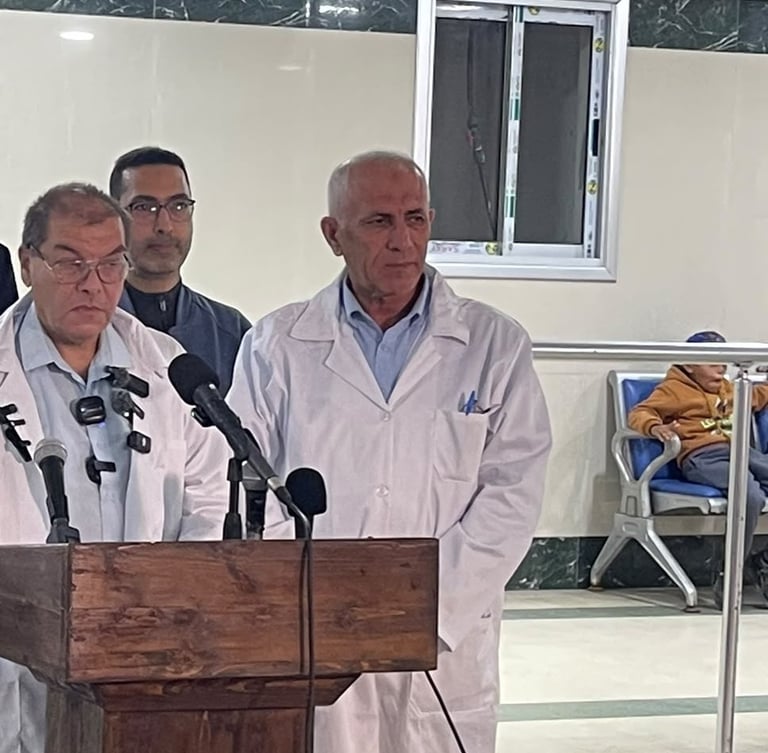

Gaza’s Health Ministry has declared an epidemic alert as meningitis cases surge: it recorded 272 cases in October, compared with a typical 30 to 50, and reported 15 deaths since the start of the year.
The UN Office for the Coordination of Humanitarian Affairs counted 413 suspected cases from Sept. 27 to Oct. 31, including 294 viral and 119 bacterial cases; 68 percent were in Gaza City.
Cases continued rising after mid-October, with the World Health Organization reporting more than 533 cases and four deaths during that period; suspected viral cases are 3.8 times and suspected bacterial cases more than four times their levels during the same period in 2025.
Infants are bearing the greatest burden: children under one account for 71 percent of reported cases, including newborns at 13 percent, while 73 percent of patients are displaced.
The ministry reported 108 bacterial meningitis cases in October, far above the usual 10 to 20 monthly cases, and another 100 since early November; it warned the illness can cause further deaths and lasting neurological damage.
Health officials suspect enteroviruses associated with poor sanitation are driving many viral cases, but limited laboratory capacity—including a lack of genetic-testing equipment—makes it difficult to identify strains, distinguish viral from bacterial disease and assess the outbreak.
The ministry linked the outbreak to damaged water and sewage systems, crowded displacement shelters, contaminated household water and flooding as the rainy season begins; it blamed Israeli restrictions on repair parts, sterilization supplies and fuel, and there was no immediate Israeli response.
The sanitation crisis is stark: all six wastewater treatment plants in Gaza are out of operation, leaving an estimated 150,000 cubic metres of untreated sewage entering the environment daily.
Water contamination is also worsening, with the World Health Organization finding microbial contamination in nearly 20 percent of samples in August, up from less than 6 percent in January; families face shortages of water for drinking and hygiene, and acute diarrhea remains a major cause of illness.
About 1.4 million people—roughly 65 percent of Gaza’s population—are living in tents, and a mid-November OCHA report found sewage or sludge within 10 metres of the shelters of 45 percent of tent-dwelling households.
The outbreak is unfolding amid a devastated health system: only 16 of Gaza’s 36 hospitals remain, and none can operate at full capacity, according to the British Red Cross.
The ministry urged residents to use safe water, wash their hands and seek hospital care for sudden fever, severe headache, stiff neck or repeated vomiting, and asked the World Health Organization and UNICEF for lab materials, antibiotics, isolation units, fuel and equipment to repair water and sewage lines.
Summary based on 4 sources
Get a daily email with more World News stories
Sources

The Telegraph • Nov 24, 2026
Meningitis outbreak triggers epidemic alert in Gaza
Arab News • Nov 24, 2026
Infants account for most meningitis cases as Gaza outbreak grows, WHO says
Middle East Monitor • Nov 24, 2026
Infants hardest hit as meningitis cases continue to rise in Gaza
The Insight International • Nov 24, 2026
Gaza declares epidemic alert as meningitis cases jump eightfold