UNAIDS Warns HIV Infections Could Rise by 2027 as Funding Cuts Undermine Prevention
November 24, 2026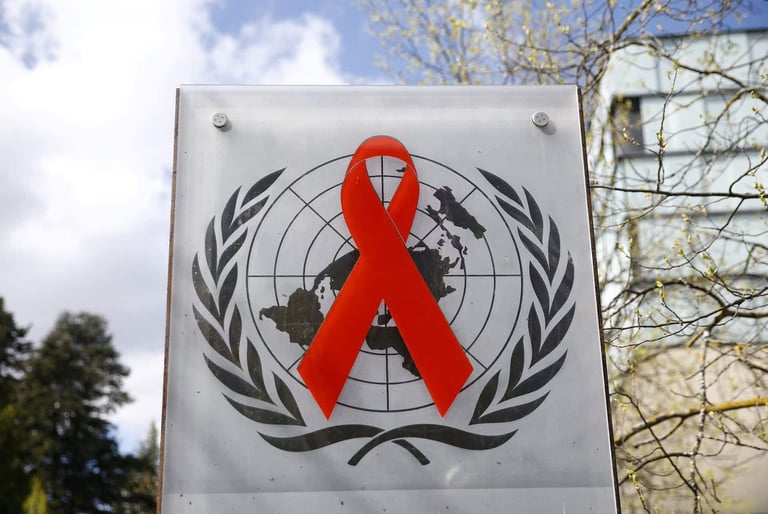

UNAIDS executive director Winnie Byanyima warned that global HIV infections could begin rising in 2027 as funding cuts and restrictions on healthcare access undermine prevention and treatment; infections have not yet increased globally.
That warning comes despite recent progress: new infections fell to a record-low 1.2 million last year, from a peak of 3.5 million in 1994, while AIDS deaths declined to 570,000 in 2025 from 600,000 in 2024 and 1.3 million in 2010.
International HIV funding fell by 18% in 2025, with declining European support and a sharp reduction in U.S. funding contributing to clinic closures and fewer people seeking tests; some countries cannot replace the shortfall.
Prevention services have borne much of the impact, including clinic closures, staff reductions and reduced access to testing and preventive medication; condom distribution fell from about 3 billion in 2024 to 2.7 billion in 2025.
Governments moved quickly to protect treatment programmes, but prevention and community support have been badly affected, leaving more people unaware of their HIV status and at risk of transmitting the virus.
Nigeria illustrates the exposure: access to PrEP fell by more than 85%, from about 43,000 people in November 2024 to fewer than 6,000 in April 2025.
The reliance on outside support is especially stark in Nigeria and Mozambique, where donors fund about 98% and 94% of reported HIV prevention spending, respectively; only 55% of children living with HIV received treatment in 2025.
UNAIDS says restrictions on women’s sexual and reproductive healthcare and LGBTQ people’s rights, along with stigma and punitive laws, can deter people from seeking confidential testing and prevention; about 3,000 adolescent girls and young women acquire HIV each week in sub-Saharan Africa.
About 40 million people were living with HIV in 2025, and 32.1 million were receiving antiretroviral treatment, leaving nearly nine million without medication.
New options such as the twice-yearly injectable drug lenacapavir could help protect millions, but their impact depends on affordability, financing and access.
National Agency for the Control of AIDS Director-General Dr. Temitope Ilori called for stronger domestic financing and state-government commitment to ensure approved HIV budgets are released and spent; Adeleye Taofeek of the AIDS Healthcare Foundation said free condoms and prevention services, including oral PrEP, remain available through government facilities and implementing partners.
The UN aims to end HIV/AIDS as a public health threat by 2030, but UNAIDS has dismissed half its staff and stopped work in about 30 countries; its board rejected a proposal to dissolve the agency and approved a gradual transition to a smaller organisation, while Byanyima is due to leave her post in December to focus on activism.
Summary based on 13 sources
Get a daily email with more World News stories
Sources
U.S. News & World Report • Nov 24, 2026
HIV Infections Could Rise From Historic Lows Starting Next Year, UN Says
The Straits Times • Nov 24, 2026
HIV infections could rise from historic lows starting next year, UN says
The Star • Nov 24, 2026
HIV infections could rise from historic lows starting next year, UN says
Africanews • Nov 25, 2026
UN warns funding cuts threaten decades of gains in fight against AIDS