APEC Leaders Adopt Shenzhen Vision, Pledge Deeper Regional Cooperation Amid Rivalry
November 28, 2026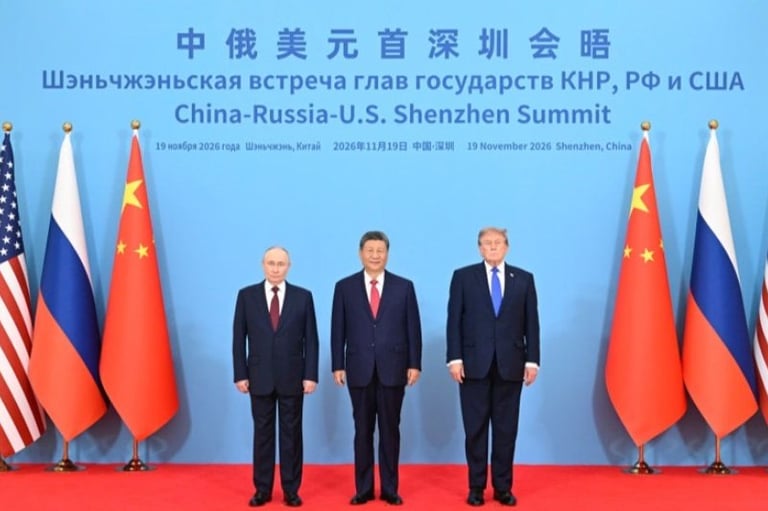


The 33rd APEC Economic Leaders’ Meeting took place in Shenzhen on Nov. 18–19, 2026, chaired by Xi Jinping as leaders grappled with technological change, trade tensions and geopolitical rivalry.
The meeting focused on openness, innovation and cooperation and adopted four outcome documents, including the 2026 APEC Leaders’ Shenzhen Outlook.
APEC leaders unanimously adopted the 2026 declaration setting out the Shenzhen Vision, with priorities spanning trade, connectivity and innovation.
China announced a US$20 million contribution to practical APEC cooperation and an Asia-Pacific Community Studies Center in Shenzhen, alongside institutions focused on digital technology, cross-border data, clean energy and small and medium-sized enterprises.
China reported 75 outcomes from its APEC host year: 18 meeting documents, three major initiatives and 54 practical cooperation outcomes.
Among the initiatives, the APEC Trade Digitalization Cooperation Framework for 2027–2030 promotes paperless trade, cross-border electronic payments and digital technologies, while the APEC Connectivity Blueprint targets stronger infrastructure, institutional and people-to-people links, and resilient supply chains.
The wider cooperation agenda also includes trade integration and a Free Trade Area of the Asia-Pacific, artificial intelligence, regional connectivity, and priorities such as energy and food security, clean energy, employment and social welfare.
Experts said the Shenzhen meeting could have a lasting impact by encouraging dialogue among major economies and strengthening the foundations for regional cooperation.
Wang Xiaosong of Renmin University of China argued that deeply integrated regional industrial and value chains make complete economic decoupling unrealistic, even as major economies continue to compete.
PNG Prime Minister James Marape, speaking in China during the meeting, urged countries to work together to safeguard multilateralism, which he said supports an open world economy and shared prosperity.
In a China Media Group interview aired Friday, Marape said cross-border challenges such as El Niño, pandemics and war make coexistence and cooperation essential.
China presented regional cooperation and multilateral dialogue as ways to counter protectionism, fragmentation and strategic rivalry, linking the message to a broader vision of a shared future for humanity.
Summary based on 4 sources
Get a daily email with more World News stories
Sources


The Daily Daily Sun • Nov 28, 2026
Rising Tides over the Sea, a Thousand Sails Race Forward
Bastillepost 巴士的報 • Nov 29, 2026
PNG PM hails China's global initiatives in championing multilateralism
ALBANIA DAILY NEWS • Nov 28, 2026
APEC Between Economic Cooperation and Great-Power Rivalry