CATL Predicts Fully Electric Ocean-Going Ships Within Three Years, Transforming Maritime Transport
December 6, 2025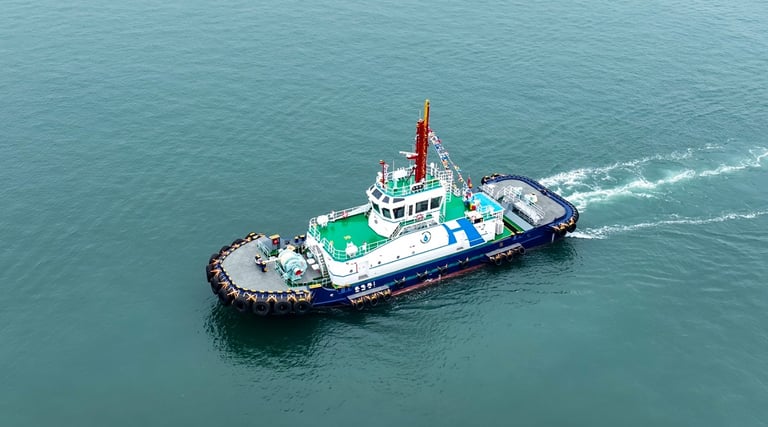

CATL predicts that fully electric ships could navigate open oceans within about three years, signaling a major shift toward ocean-going marine electrification.
The company’s marine division is pursuing electrification of ocean-going vessels within roughly three years, building on inland and coastal projects and partnerships.
During a Shanghai briefing, Su Yiyi, head of CATL’s marine division, reiterated that pure-electric vessels capable of open-sea navigation may be achievable within three years.
Advances in battery energy density are enabling longer ranges and more power for larger vessels, supporting the push toward electric maritime operations.
CATL has shipped batteries for more than 900 vessels, including flagship projects like the Yangtze River Three Gorges 1 cruise and the Qinggang Tug 1, illustrating broad deployment of electric maritime solutions.
The company has developed a comprehensive ship-battery replenishment system with containerized power, high-power charging, battery swapping, and a cloud-based information platform to optimize efficiency and economics.
A full-spectrum strategy aims to electrify maritime and aviation sectors, leveraging sodium-ion batteries to cut costs and enable longer-range electric shipping.
CATL’s collaboration with major shipping partners, including Maersk, and efforts toward decarbonizing ports and shipping infrastructure, highlight a broader industry move to zero-carbon maritime transport.
CATL has a proven track record in marine electrification, powering electric boats since 2017 and establishing a marine-focused subsidiary in 2022, now supplying batteries to about 900 vessels and capturing a sizable share of the global market.
Historically, CATL’s electric vessels operated in safer waterways such as rivers and coastlines, with projects like Yangtze River Three Gorges No. 1 in 2020 using 10,000 LFP battery cells.
In 2024, China’s first pure-electric tourist vessel, the Yujian 77, co-developed with CATL, exemplified the trajectory toward larger electric ships capable of ocean travel.
Lower battery costs and advances in sodium-ion technology could enable long-range electric ships with ranges up to about 5,000 kilometers using current chemistries, without significant weight or volume penalties.
Summary based on 2 sources