Toyota Shifts to Next-Gen Li-ion Batteries, Boosts Range and Cuts Costs by 20%
August 19, 2026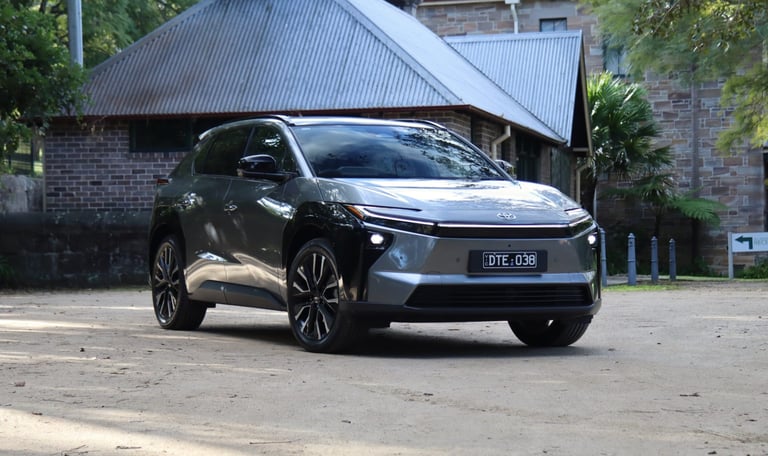

Toyota will shift from nickel-metal hydride to next-generation lithium-ion batteries to cut costs and boost performance, aiming for roughly a 20% reduction in battery costs and ranges above 800 kilometers.
This Li-ion transition marks a broader shift for Toyota, which has long relied on NiMH for hybrids, with newer hybrids like the sixth-generation RAV4 already using higher-capacity Li-ion units.
The upcoming next-generation EV Li-ion cells are expected to reduce costs by about 20% versus the current bZ4X battery while delivering driving ranges well above 800 kilometers.
Toyota revised its 2027 production forecast upward to 9.7 million vehicles, driven by clearer US tariffs, improving European demand, and better logistics in the Middle East.
Japan-based production lines will be retooled to accommodate the new battery packs, with capacity enough to serve about 600,000 vehicles and to counter competition from Chinese rivals.
Toyota will expand HEV battery production and source additional batteries from CATL, including a deal to supply batteries for about 200,000 vehicles from a CATL factory in Indonesia.
The company plans to broaden battery production capacity in 2027 and 2028 and will involve suppliers such as CATL in supplying the new Li-ion packs.
In its earnings call, Toyota raised its 2027 production forecast to 9.7 million units and said expansions of HEV battery capacity are under consideration.
The battery strategy targets both hybrids and BEVs to bolster sales, with hybrids or electrified vehicles expected to make up about half of Toyota’s projected 230,000 Australian sales for 2026.
Toyota’s electrified vehicle deliveries rose by 12%, with hybrid sales totaling 4.58 million in 2025 and expected to reach 5.03 million in 2026.
The battery strategy is framed within Toyota’s broader financial and operational outlook, tying technology shifts to competitive positioning and growth targets.
Toyota aims to reduce Australian waiting times for vehicles, currently three to six months for most models, through improved production and battery capacity.
Summary based on 2 sources
Get a daily email with more Electric Vehicles stories
Sources
Drive • Aug 18, 2026
Toyota bets big on next-gen batteries as hybrids underpin its financial forecast
WhichCar | New Car Reviews, Prices and Buying Advice • Aug 18, 2026
Toyota to launch next-generation battery to slash costs, boost performance