EU Mandates Digital Battery Passports by 2027 for Improved Transparency and Compliance
November 1, 2026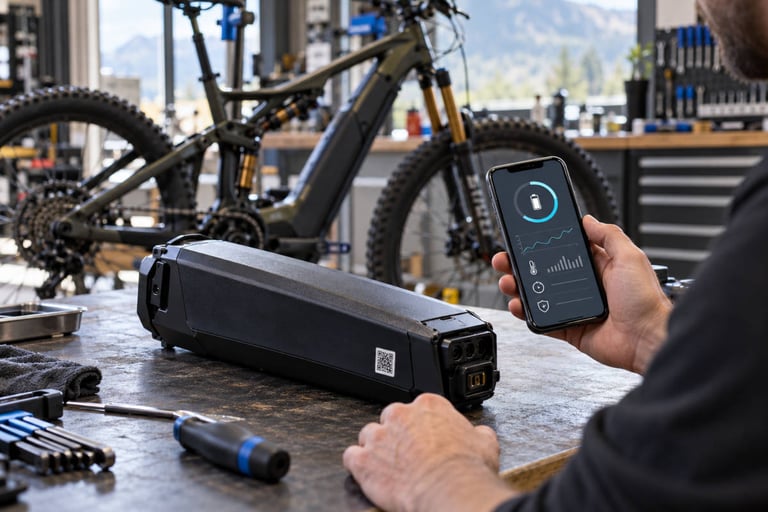

The EU’s battery passport, part of the Batteries Regulation, will begin requiring new batteries sold in Europe to have a digital passport with a QR code, starting February 2027, enabling a unique digital identity and access to supply-chain and battery data.
Annex XIII adds battery health data to the passport, including state of health, charging/discharging cycles, incidents, and operating conditions, though access may be limited to authorities and qualified interests rather than all consumers.
Looking ahead, 2028 rules for food industry batch and lot-level tracing signal a broader push for granular provenance across supply chains.
Industry obsesses about a shift to networked data sharing and standardized practices as essential for scalable ESG and DPP compliance, with AI playing a central enabling role.
Standardizing data formats and information requests across customers can cut costs for suppliers and improve transparency and comparability of certifications.
The obligation applies to batteries placed on the European market regardless of where they were made, so US brands like Specialized and Trek must comply for European products.
A data-collection model that can be reused across multiple compliance requirements boosts readiness for future regulations and could extend to consumer transparency and product claims.
Smaller e-bike manufacturers may face more complex compliance as they must implement documentation and traceability for their batteries.
Although EU framework is Europe-centric, the technology could eventually enable broader battery health tracking in the US if compatible systems are adopted, though this remains speculative.
In addition to the passport, Digital Product Passports will roll out in the EU for certain batteries in February 2027, demanding extensive supplier data and deeper supply-chain tracing.
The passport requires an individual digital battery passport for new batteries, including e-MTB batteries, with a QR code under Regulation (EU) 2023/1542.
The European Commission is running a public consultation (late October to mid-November 2026) to refine access to restricted information and set conditions for professionals involved in repair, remanufacturing, repurposing, and recycling, with regulation expected in Q4 2026.
Summary based on 3 sources
Get a daily email with more Tech stories
Sources

Electrek • Nov 2, 2026
How Europe’s battery passport could have a big impact on US e-bikes
Talking Logistics with Adrian Gonzalez • Nov 2, 2026
The Supplier Challenge Behind DPPs and ESG Compliance
TodoMountainBike • Nov 1, 2026
Europe's 2027 Battery Passport Rules Could Change How E-MTB Batteries Are Tracked, Repaired and Resold in the US