Chinese EV Surge Overtakes German Giants in World's Largest Auto Market
April 21, 2026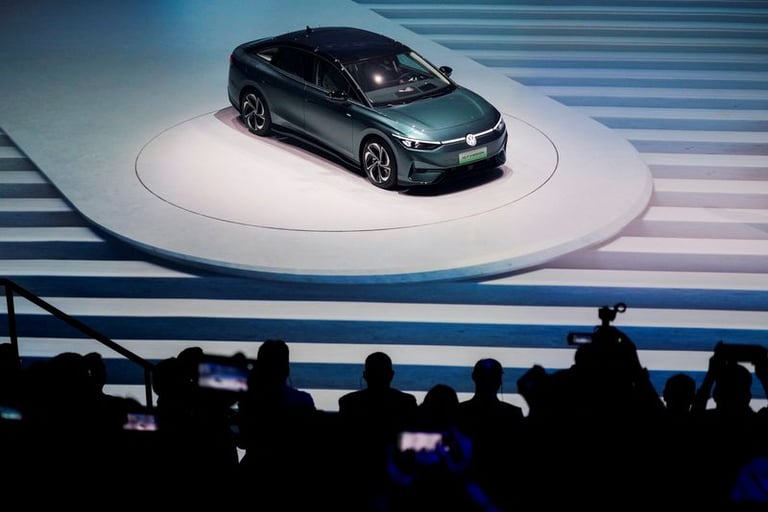


VW and its German peers were overtaken by BYD to become China’s top automaker in 2024 and slipped to third place in 2025 after Geely surpassed them, signaling a dramatic market realignment.
German carmakers, once global leaders, are losing ground as Chinese brands dominate with rapid EV adoption and younger buyers driving demand.
Analysts flag legacy inertia and a reliance on traditional strengths like design cues and long histories as barriers to catching up with fast-changing tech-driven competition.
A notable share of younger Chinese consumers distrust traditional German cars, even as German brands retain credibility for safety, reliability, and quality.
Survey findings indicate a perception gap: German brands are viewed as the parents’ brand, complicating appeal to younger buyers.
In China, VW faces a reputational shift as younger customers increasingly see the brand as the parents’ brand.
executives describe the market shift as “beyond imagination,” underscoring the scale of the transition from growth driver to competitive battleground for German manufacturers.
Chinese brands, led by affordable electric vehicles, are transforming the world’s largest car market, with more than a quarter of new cars now fully electric and premium Chinese brands moving into higher-end segments, eroding traditional German leadership.
German groups are teaming with Chinese suppliers to accelerate progress in autonomous driving and in-car software, reducing dependence on traditional strengths.
German brands’ China sales declined about 25% over five years, totaling 3.9 million vehicles in 2025, reflecting the broader market reshaping.
Chinese brands are pressing into the premium segment, challenging German dominance among wealthier consumers who once prized German quality.
German automakers are accelerating China-focused changes, planning multiple new energy vehicle launches in 2025 and forging partnerships with Chinese companies like FAW and SAIC, while aiming to reassert themselves at key events such as the Beijing Auto Show.
Summary based on 2 sources
Get a daily email with more World News stories
Sources
Yahoo Finance • Apr 21, 2026
Germany's big carmakers used to lead the race in China, but now they're 'for the parents'
Investing.com • Apr 21, 2026
Germany’s big carmakers used to lead the race in China, but now they’re ’for the parents’